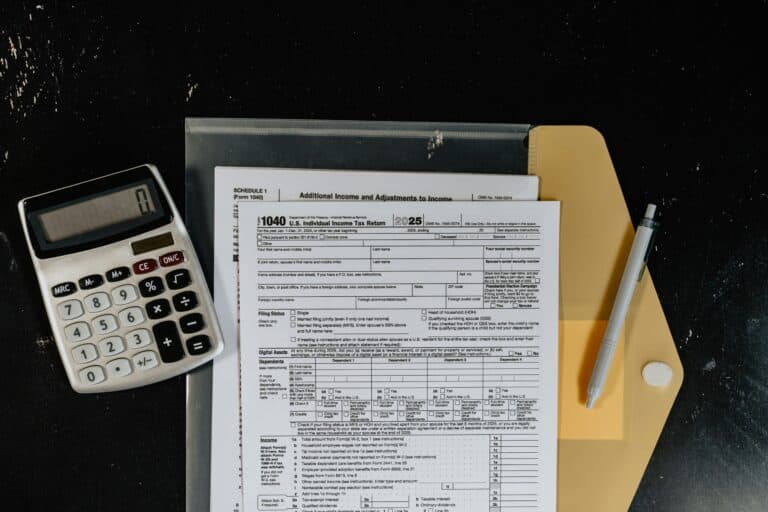

You have three routes: transfer the lease to the buyer, buy the system out and sell it as an owned asset, or pay to have it removed. What happens to a solar lease when you sell your house depends on which of those your contract permits and on whether your buyer will qualify for and accept a transfer.
None of the three is automatic, and all of them take time. Our guide to whether solar increases property taxes covers another way ownership status changes what a house costs to hold.
A Quick Note
This is general information, not legal, financial or real estate advice. Lease and power purchase agreement terms differ substantially between providers, and state rules vary. Have your actual contract reviewed by a qualified professional before you list.
Quick Answer
Start by reading your contract for the transfer, buyout and removal clauses, then contact the provider early, because their approval process gates your closing. A transfer requires the buyer to meet the provider’s credit criteria. A buyout converts the system to an owned asset and usually strengthens the sale. Removal is the expensive last resort.
Key Takeaways
- Three routes exist: transfer, buyout, or removal.
- Provider approval is the step that delays closings.
- A transfer depends on your buyer’s credit, not yours.
- A buyout converts a liability into an asset before listing.
- Removal costs money and can involve roof repair.
- Start the process weeks before you list, not after an offer.
| Route | What it involves | Main risk |
|---|---|---|
| Transfer to buyer | Provider approves buyer, paperwork at closing | Buyer declines or fails credit check |
| Buy out the system | Pay the contract buyout price | Price may be higher than expected |
| Prepay the remaining term | Settle payments, system stays | You fund it without owning it |
| Remove the system | Provider uninstalls, roof repaired | Cost, and roof condition afterward |
| Do nothing | Not an option, the contract follows the property | Sale falls through late |
Read the Contract First
Everything that follows is governed by clauses already in your agreement. The relevant ones are transfer, assignment, buyout and early termination.
Buyout schedules are usually tied to specific anniversaries with a price for each. That price is rarely the depreciated value you would guess.
Transfer clauses set out who approves the buyer and what criteria apply. Almost always the provider decides, and almost always it is a credit assessment.
Removal clauses say who pays and what condition the roof is left in. Our guide to what a solar panel warranty covers covers the guarantees that may or may not survive any of this.
Transferring It to the Buyer
The provider approves, not you
Your buyer submits to the provider’s credit process. You are not a party to that decision and cannot speed it up by wanting it.
It takes weeks, not days
Start as soon as you decide to sell. Lease transfer is one of the most common causes of a delayed solar-home closing.
The buyer has to want it
A buyer facing a twenty-year obligation with an escalating payment may simply refuse, particularly if the rate is unattractive.
Paperwork lands at closing
Assignment documents are executed alongside the sale, so your closing agent needs to know about the lease from the start.
Buying It Out Before You List
A buyout converts the array from a contract into an owned fixture, which is the single biggest improvement you can make to a solar home sale.
It removes the provider from the transaction, removes the credit check, and lets the system be appraised as an improvement.
Whether it is worth the money depends on the buyout price against how much the lease is costing you in negotiation. That is a calculation specific to your contract and market.
Prepaying the remaining payments is a different thing from a buyout, since it settles the money without giving you ownership. Read carefully which one you are being offered.
Removal, and Why It Is the Last Resort
Removal means the provider uninstalls their equipment. You lose the system and the electricity savings entirely.
There is usually a cost, and the contract will say who bears it. Roof penetrations have to be sealed, and the roof surface under a long-installed array may not match the rest.
Early termination fees frequently apply on top. The combination makes this the most expensive of the three routes in almost every case.
It is occasionally the right answer for a sale that cannot proceed any other way. Our guide to whether you can take solar panels with you when you move covers the owned-system version of the same question.
What the 2026 Credit Change Means Here
Section 25D ended for expenditures made after December 31, 2025, so a buyer can no longer install their own system and claim a federal residential credit.
That makes an existing system on the roof relatively more valuable, which slightly improves the case for a transfer or a buyout over removal.
It does not change the lease mechanics at all. Provider approval, buyout schedules and escalators are contract terms rather than tax matters.
Our guide to net metering and state solar incentives covers the transferable arrangements that can be worth more than the hardware, particularly a grandfathered net metering agreement.
A Sequence That Avoids Delays
- Find the contract and read the four clauses. Transfer, assignment, buyout, early termination.
- Call the provider before listing. Ask for the buyout price and the transfer process in writing.
- Get the production history. It is the evidence that makes the system attractive to a buyer.
- Decide your route early. Transfer, buyout or removal, before offers arrive.
- Brief your agent and your closing agent. Both need to know a lease is involved from day one.
- Disclose it in the listing. A buyer who finds out late walks, or renegotiates.
- Build the timeline into the contract. Provider approval needs weeks, so the closing date has to allow for it.
- Have the paperwork reviewed. Assignment documents are legal instruments attached to your sale.
Our guide to whether solar is worth it if you move in five years covers the decision this situation traces back to, and our guide to running solar in a rental covers the other arrangement where the occupant does not own the equipment.
Sources
- Internal Revenue Service, guidance on the Residential Clean Energy Credit
Frequently Asked Questions
What happens to a solar lease when you sell your house?
One of three things: the buyer assumes the lease with the provider’s approval, you buy the system out and sell it as an owned asset, or you pay to have it removed. Which options exist depends on your contract, and none of them happen automatically.
Can the buyer refuse to take over the lease?
Yes, and they often do if the rate is unattractive or the remaining term is long. They also have to pass the provider’s credit assessment, which is a decision you have no part in. Both are reasons to know your buyout price early.
How long does a lease transfer take?
Weeks rather than days, because the provider runs its own approval process. This is one of the most common causes of a delayed closing on a solar home, so start it when you decide to sell rather than after you accept an offer.
Is buying out the lease worth it?
Often, because it converts a contract into an owned fixture and removes the provider from your transaction entirely. Whether the price is worth paying depends on your buyout schedule against what the lease costs you in negotiation.
What is the difference between a buyout and prepaying?
A buyout transfers ownership of the equipment to you. Prepaying settles the remaining payments without giving you ownership, so the provider still owns the array on your roof. Read carefully which one you are being offered.
Who pays to remove the system?
Your contract says, and it is usually you, often with an early termination fee as well. Roof penetrations have to be sealed and the surface under a long-installed array may not match the rest, which can add roofing work.
Do I have to disclose the lease?
Treat it as something to disclose in the listing. It is an obligation attached to the property, and a buyer who discovers it late will either renegotiate or walk. Disclosure requirements vary by state, so confirm yours.
Should I involve a professional?
Yes. Assignment documents are legal instruments tied to your sale, buyout schedules are contractual, and the tax position of any settlement is a separate question. Have the contract reviewed before you list rather than during escrow.