
When the grid goes down, the clock starts: the fridge begins warming, phones drain, and a CPAP machine or a medical device suddenly has no power source. The best portable power stations for power outages exist to stop that clock. A power station is a large rechargeable battery in a box, with regular wall outlets and USB ports, that stores electricity ahead of time and delivers it on demand when the grid fails. The right one holds enough energy for the things you genuinely need to keep running, delivers it through the right kind of outlets, and is ready the moment an outage hits. If you are curious, our guide on budget picks under 500 dollars goes deeper.
Portable power stations vary along a few key lines. Capacity, measured in watt-hours, determines how much energy the unit stores. Output, measured in watts, determines what it can run at once. Recharge options range from wall outlets to car chargers to solar panels. Match the station to the outage scenario you are actually preparing for, rather than buying on price or brand name alone.
Below are five portable power station picks for power outages, covering different capacities, output levels, and price points. Each pick is a named, widely available model, and the analysis below is based on comparing published specifications and consistent user-reported feedback rather than on hands-on testing.
Why a Portable Power Station Matters for Power Outages
Power outages are unpredictable, and their impact scales with how long they last. A brief flicker is a nuisance. A multi-hour or multi-day outage from a storm, heat wave, or grid failure becomes a real problem: food spoils, phones and laptops die, medical devices stop, and a home loses light and heat or cooling. Having a stored power source changes an outage from a crisis into an inconvenience.
A portable power station is the most accessible way to store that backup power. Unlike a permanently installed whole-home battery, a power station needs no electrician, no installation, and no permits. You charge it from a wall outlet ahead of time, keep it ready, and when the power fails, you plug devices directly into it. It works in any home, including a rental, and can move from room to room as needs change.
The value is in covering the essentials. A power station is not usually sized to run an entire house, but it does not need to be. It can keep a refrigerator cold, charge phones and laptops, run lights, power a CPAP or other medical device overnight, and keep a router online, the genuinely critical loads during an outage. Covering those essentials is what makes an outage manageable.
What to Look for in a Power Station for Outages
Five factors separate a power station that genuinely covers an outage from one that falls short when you need it. Get these right before buying.
Capacity (Watt-Hours)
Capacity, measured in watt-hours (Wh), is how much total energy the station stores. A higher Wh figure runs your devices for longer. Estimate the loads you need to cover and for how long, then choose a capacity that realistically spans the outage length you are preparing for.
Output (Watts) and Outlet Types
Output, measured in watts (W), is how much the station can power at once. A device that draws more watts than the station’s output rating will not run. Check that the continuous output rating comfortably exceeds the combined draw of what you plan to run, and confirm the unit has the AC wall outlets, USB ports, and other connections your devices need.
Battery Chemistry
Many current power stations use lithium iron phosphate (LiFePO4) batteries, which manufacturers rate for a long cycle life and stable performance, while some older or budget units use other lithium chemistries. Battery chemistry affects lifespan and longevity, so it is worth checking which a unit uses.
Recharge Options
A station is only useful if you can recharge it. All units recharge from a wall outlet; many also recharge from a car’s 12V outlet or from solar panels. For a short outage, wall charging beforehand is enough. For longer outages, car or solar recharging lets you replenish the station when the grid stays down.
Portability and Readiness
Power stations range from small carry-anywhere units to large, heavy ones with wheels. Consider the weight and whether you need to move it. Just as important, a power station only helps if it is charged when the outage hits, so factor in keeping it topped up and ready.
Best Portable Power Stations for Power Outages in 2026: Our Top 5 Picks
Five named portable power stations covering a range of capacities, output levels, and prices. Each is widely available, and the notes below reflect published specifications and consistent patterns in user reviews.
1. Jackery Explorer 1000 v2, Best Overall
Best Overall | Price: ~$700
The Jackery Explorer 1000 v2 is our overall pick because it lands in the capacity and price range that suits most households preparing for outages. With roughly 1,070 watt-hours of capacity and a 1,500-watt output rating, it covers the loads most people genuinely need during an outage: a refrigerator in cycles, phones, laptops, lights, a router, and small devices. Jackery is one of the most established names in the category, and the Explorer line is among the most widely owned.
The balance of capacity and usability is what makes it the default recommendation. The 1,070Wh capacity is enough to keep essentials running through a meaningful stretch of an outage, and the 1,500W output handles most household devices short of high-draw appliances like electric heaters or full-size cooktops. The v2 model uses a LiFePO4 battery, which Jackery rates for a long cycle life, a meaningful consideration for a unit that may sit charged for years between heavy use.
It recharges from a wall outlet, a car outlet, or compatible solar panels, so it can be replenished even in a longer outage. At around 23 to 24 pounds, it is carryable, if not light. For a household that wants one capable, well-supported power station to cover outage essentials, the Explorer 1000 v2 is the sensible starting point.
Key Features
- Approximately 1,070Wh capacity
- 1,500W rated output
- LiFePO4 battery chemistry
- Wall, car, and solar recharging
- Multiple AC outlets and USB ports
PROS:
- Capacity and output suit most outage needs
- LiFePO4 battery rated for long cycle life
- Well-established, widely supported brand
- Three recharge methods, including solar
- Carryable weight for its capacity
CONS:
- Output will not run high-draw heating or cooking appliances
- Not the cheapest unit in its capacity class
- 23 to 24 pounds is portable but not light
- Solar panels are a separate purchase
Best for: Most households wanting one capable power station to cover refrigerator, devices, lights, and a CPAP through an outage.
2. EcoFlow Delta 2, Best for Fast Recharging
Best for Fast Recharging | Price: ~$650
The EcoFlow Delta 2 suits people who want a power station that refills quickly from a wall outlet. EcoFlow markets the Delta 2 around fast AC recharging, and that matters in an outage context: if the grid comes back briefly, or you reach a location with power, a station that recharges quickly is ready again sooner than one that takes many hours.
The Delta 2 offers roughly 1,024Wh of capacity with a 1,800W output rating, putting it in a similar usefulness range to other mid-size stations but with a higher output ceiling. That extra output headroom means it can handle a slightly wider range of devices at once. It uses a LiFePO4 battery, and EcoFlow’s expandability means capacity can be extended with an add-on battery for those who later want more.
It recharges from wall, car, and solar sources, with fast wall charging as its headline trait. The trade-off is that fast charging is most valuable if you actually have intermittent grid access during an outage; in a total multi-day blackout, recharge speed matters less than raw capacity and solar input. For households in areas with brief or rolling outages, the Delta 2’s quick turnaround is a genuine advantage.
Key Features
- Approximately 1,024Wh capacity
- 1,800W rated output
- Fast AC wall recharging
- LiFePO4 battery, expandable capacity
- Wall, car, and solar recharging
PROS:
- Fast wall recharging turns the unit around quickly
- Higher 1,800W output headroom
- Capacity is expandable with an add-on battery
- LiFePO4 battery chemistry
- Established brand with solar support
CONS:
- Fast charging matters less in a total long blackout
- An expansion battery is a separate cost
- Output still will not run major heating appliances
- Similar base capacity to less expensive units
Best for: Households with brief, intermittent, or rolling outages who value quick recharging between grid access.
3. Anker SOLIX C800, Best Mid-Capacity Value
Best Mid-Capacity Value | Price: ~$400
The Anker SOLIX C800 is a strong choice for people who want a capable, more affordable station and do not need the largest capacity. With roughly 768Wh of capacity and a 1,200W output rating, it sits a step below the 1,000Wh units, but for many outage scenarios, that capacity is genuinely sufficient, and the lower price makes backup power more accessible.
The value case is straightforward. A 768Wh station will not run as long as a 1,000Wh-plus unit, but it can still keep phones, laptops, lights, a router, and a CPAP machine running, and cover a refrigerator in cycles for a meaningful period. For a shorter outage, or as a backup focused on devices and a medical machine rather than a full appliance load, the C800’s capacity covers the need at a lower entry cost. Anker is a well-known electronics brand with broad availability and support.
It uses a LiFePO4 battery and recharges from wall, car, and solar sources. The honest trade-off is capacity: in a long multi-day outage, 768Wh runs down faster than larger units, so this pick suits shorter outages or buyers prioritizing budget. For value-focused outage preparation, the SOLIX C800 delivers credible backup power for less.
Key Features
- Approximately 768Wh capacity
- 1,200W rated output
- LiFePO4 battery chemistry
- Wall, car, and solar recharging
- Lower price than 1,000Wh-class units
PROS:
- More affordable entry into backup power
- Capacity covers devices, lights, and a CPAP
- LiFePO4 battery chemistry
- Established, widely available brand
- Three recharge methods, including solar
CONS:
- 768Wh runs down faster in a long outage
- Lower output than 1,000Wh-class units
- Less refrigerator runtime than larger picks
- Solar panels sold separately
Best for: Budget-conscious buyers and those preparing for shorter outages or focusing on devices and a medical machine.
4. Bluetti AC200L, Best for Long or Multi-Day Outages
Best for Long or Multi-Day Outages | Price: ~$1,300
The Bluetti AC200L is built for households preparing for longer, multi-day outages where a mid-size station would run out. With roughly 2,048Wh of capacity and a 2,400W output rating, it stores roughly double the energy of the 1,000Wh-class units and has the output to run a wider range of devices, making it suited to extended grid failures.
The large capacity is the central advantage. A 2,048Wh station can keep a refrigerator, devices, lights, a router, and a medical machine running substantially longer than a 1,000Wh unit, which is the difference that matters in a multi-day storm outage. The 2,400W output also handles higher-draw devices that smaller stations cannot. Bluetti additionally supports expansion batteries for those who want to push capacity even higher, and the AC200L uses a LiFePO4 battery.
It recharges from wall, car, and solar sources, and solar recharging is especially relevant here: in a genuinely long outage, pairing a large station with solar panels lets you replenish it day by day. The trade-offs are real: the AC200L is heavier and considerably more expensive than mid-size units, and it is more suitable for a household preparing only for short outage needs. For serious multi-day outage preparation, the larger capacity earns its place.
Key Features
- Approximately 2,048Wh capacity
- 2,400W rated output
- LiFePO4 battery, expandable capacity
- Wall, car, and solar recharging
- Runs essentials substantially longer
PROS:
- Large capacity suits multi-day outages
- Higher output runs a wider device range
- Capacity is expandable with add-on batteries
- Solar recharging supports long outages
- LiFePO4 battery chemistry
CONS:
- Considerably more expensive than mid-size units
- Heavy compared with smaller stations
- More capacity than short-outage prep needs
- Solar panels are a separate purchase
Best for: Households preparing for multi-day outages who need extended runtime for a refrigerator and essentials.
5. Jackery Explorer 300 Plus, Best Compact and Budget Option
Best Compact and Budget Option | Price: ~$250
The Jackery Explorer 300 Plus suits people who want an affordable, compact backup unit focused on keeping the most critical small devices running. With roughly 288Wh of capacity and a 300W output rating, it is far smaller than the other picks, and it is not meant to run a refrigerator. What it does well is keep phones, a laptop, lights, and small essentials powered through an outage, at a low price and in a light, easy-to-store package.
The compact, affordable design is the point. Not every household needs or can justify a large station, and for someone whose main outage concern is keeping phones charged, a laptop running, and some lights on, the Explorer 300 Plus covers that at a fraction of the cost and weight. It is light enough to grab and move easily, and small enough to store without taking up much space. It uses a LiFePO4 battery and recharges from wall, car, and solar sources.
The trade-offs are clear and tied to its size: the 288Wh capacity and 300W output mean it cannot run a refrigerator or higher-draw devices, and it covers a much shorter span than the larger picks. For a buyer who wants basic device backup, a compact secondary unit, or an entry point into outage preparation, the Explorer 300 Plus delivers that affordably and honestly within its limits.
Key Features
- Approximately 288Wh capacity
- 300W rated output
- Compact and lightweight
- LiFePO4 battery chemistry
- Wall, car, and solar recharging
PROS:
- Low price and easy entry into backup power
- Compact and light to store and move
- Keeps phones, a laptop, and lights running
- LiFePO4 battery chemistry
- Three recharge methods, including solar
CONS:
- Cannot run a refrigerator or high-draw devices
- Small capacity covers only a short span
- 300W output is limiting
- Best as a secondary or device-only unit
Best for: Budget buyers, those needing only device backup, and anyone wanting a compact secondary power station.
Quick Comparison
| Power Station | Best For | Capacity | Output | Price |
|---|---|---|---|---|
| Jackery Explorer 1000 v2 | Overall use | ~1,070Wh | 1,500W | ~$700 |
| EcoFlow Delta 2 | Fast recharging | ~1,024Wh | 1,800W | ~$650 |
| Anker SOLIX C800 | Mid-capacity value | ~768Wh | 1,200W | ~$400 |
| Bluetti AC200L | Multi-day outages | ~2,048Wh | 2,400W | ~$1,300 |
| Jackery Explorer 300 Plus | Compact and budget | ~288Wh | 300W | ~$250 |
How to Choose a Power Station for Your Outage Needs
Start by listing what you need to run. Write down the devices that genuinely matter during an outage: a refrigerator, phones, laptops, lights, a router, a CPAP, or other medical devices. This list is the foundation, because it determines both the output and the capacity you need. Preparing to run a refrigerator points to a larger station; preparing only for devices points to a smaller one.
Match output to your largest combined load. The station’s continuous output rating, in watts, must exceed the total draw of everything you intend to run at once. Refrigerators and any heating or motor-driven devices draw the most, and some devices briefly draw extra power when they start up. Choose output with comfortable headroom above your expected load.
Match capacity to your expected outage length. Capacity in watt-hours determines how long the station runs your loads. A short outage needs less; a multi-day outage needs substantially more, or the ability to recharge from solar. Be realistic about the outage scenarios common in your area, and size capacity to span them. Anyone depending on a CPAP needs different sizing, and our roundup of stations for CPAP use covers overnight capacity.
Plan for recharging and readiness. For a long outage, solar panels let you replenish the station when the grid stays down, so consider whether to buy compatible panels alongside it. And whatever station you choose, it only helps if it is charged when an outage hits, so keep it topped up and ready rather than discovering it empty when the power fails.
Our Take on Power Stations for Outages
The Jackery Explorer 1000 v2 is our overall pick because its capacity, output, and price land where most households preparing for outages actually need them. It covers the essentials, a refrigerator in cycles, devices, lights, a router, and a CPAP, from an established brand with solar recharging support, and that makes it the sensible default for outage preparation.
The other picks address specific situations. The EcoFlow Delta 2 recharges fast, suiting brief or rolling outages. The Anker SOLIX C800 delivers credible backup at a lower price for shorter outages or device-focused needs. The Bluetti AC200L stores roughly double the energy for serious multi-day outage preparation. The Jackery Explorer 300 Plus is a compact, affordable unit for device backup or as a secondary station.
Whatever you choose, the method matters more than the model: list what you need to run, match output to your largest combined load, match capacity to your expected outage length, and plan for recharging and readiness. A power station chosen that way turns the next outage from a scramble into a manageable inconvenience, with the things that genuinely matter still running.
Frequently Asked Questions
What are the best portable power stations for power outages?
Strong choices include the Jackery Explorer 1000 v2 for overall use, the EcoFlow Delta 2 for fast recharging, the Anker SOLIX C800 for mid-capacity value, the Bluetti AC200L for multi-day outages, and the Jackery Explorer 300 Plus as a compact budget option. The best one for you depends on what you need to run and how long your outages typically last.
What size power station do I need for a power outage?
The size depends on what you want to run and for how long. To keep a refrigerator, devices, lights, and a medical machine running, a station around 1,000Wh or larger is a common starting point, and multi-day outages call for 2,000Wh or more. For devices only, a smaller unit suffices. List your loads and expected outage length, then size capacity and output to match.
Can a portable power station run a refrigerator during an outage?
Many mid-size and larger power stations can run a typical refrigerator, since fridges cycle on and off rather than drawing power constantly. The station needs enough output to handle the refrigerator’s running and startup draw, and enough capacity in watt-hours to cover the hours of the outage. Smaller, compact stations generally cannot run a refrigerator and are better suited to devices.
How long will a power station last in an outage?
Runtime depends on the station’s capacity in watt-hours and how much power your devices draw. A station running only phones, lights, and small devices lasts far longer than one also running a refrigerator. To estimate, divide the capacity by the combined wattage of your loads, and recognize that real-world runtime is somewhat lower than this rough figure. Solar recharging can extend it further.
Can you recharge a power station during a long outage?
Yes. All power stations recharge from a wall outlet when grid power is available, and many also recharge from a car’s 12V outlet or from solar panels. For a long outage where the grid stays down, solar panels are the most relevant option, since they let you replenish the station each day. For short outages, simply keeping the station charged beforehand is usually enough.
What is the difference between watt-hours and watts on a power station?
Watts (W) measure output, how much power the station can deliver at once, which determines what devices it can run. Watt-hours (Wh) measure capacity, how much total energy it stores, which determines how long it can run those devices. A station needs enough watts to power your devices and enough watt-hours to run them for the length of the outage.
Is a portable power station better than a generator for outages?
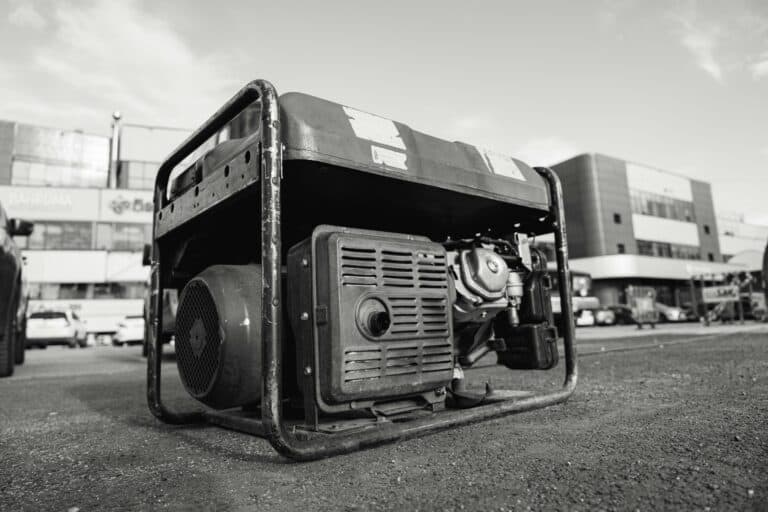
They differ. A portable power station is quiet, produces no fumes, can be used indoors safely, and needs no fuel, but stores a limited amount of energy. A fuel generator can run longer if you have fuel, but it is noisy, produces exhaust, and must be operated outdoors. A power station suit covers essentials cleanly and safely; the best choice depends on your priorities and outage length.
How should I maintain a power station so it is ready for an outage?
Keep the station charged so it is ready when an outage hits, and follow the manufacturer’s guidance on storage and periodic recharging, since batteries lose charge slowly over time. Store it in a suitable indoor environment, and check on it periodically rather than leaving it untouched for long stretches. A power station only helps during an outage if it is charged and ready beforehand.
Recommended Reading