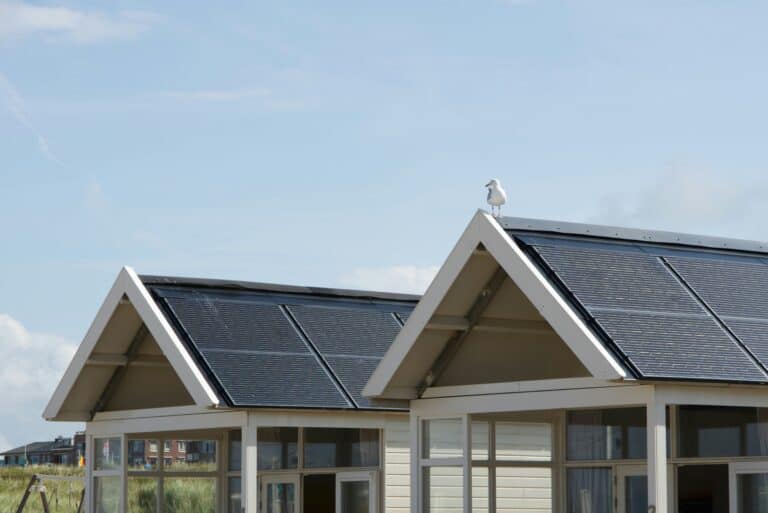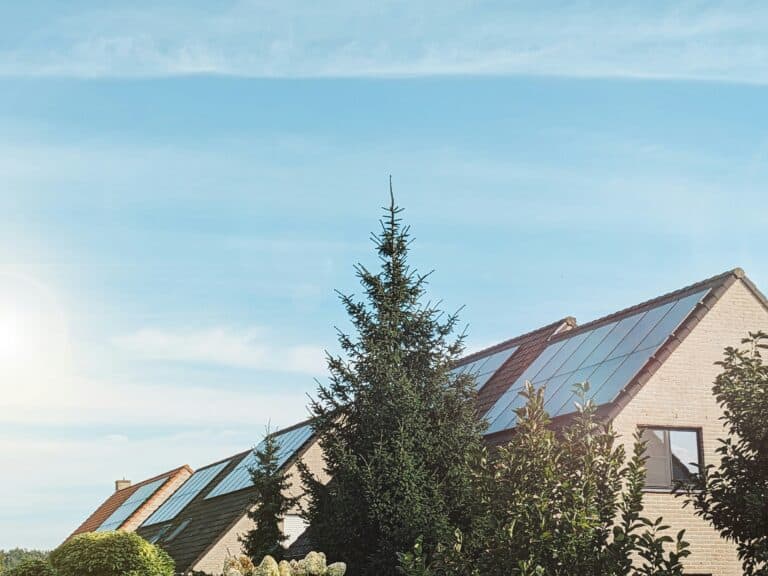

On an Arizona rooftop in July, two panels soak up the same blistering sun, one a uniform black and the other a speckled blue. The monocrystalline vs polycrystalline solar panels choice comes down to that difference in the silicon, since one type is generally more efficient and space-saving while the other usually costs less. Both turn sunlight into power; they just balance efficiency and price differently. For related reads, see our guides on how long solar panels last and reasons panels underproduce.
Monocrystalline panels are generally more efficient and need less space, while polycrystalline panels tend to cost less for the same wattage. Your roof space and budget point to the better fit.
Quick verdict: Choose monocrystalline panels when space is tight and you want the most power per panel, which suits small roofs and compact setups. Choose polycrystalline panels when you have room to spare and want to lower the upfront cost. Efficiency and space lean monocrystalline; budget leans polycrystalline.
| Factor | Monocrystalline | Polycrystalline |
|---|---|---|
| Efficiency | Generally higher | Generally lower |
| Space needed | Less per watt | More per watt |
| Upfront cost | Higher | Lower |
| Appearance | Uniform black | Speckled blue |
| Low light | Often a bit better | Slightly behind |
| Best for | Tight space | Open space, budget |
How We Compared Monocrystalline vs Polycrystalline Solar Panels
We weighed what matters for a real setup: efficiency, the space each needs, upfront cost, appearance, low-light behavior, and use cases. The U.S. Department of Energy notes that monocrystalline cells are generally more efficient than polycrystalline ones. The goal is to match the panel type to your space and budget rather than crown one winner. To size your system first, see our watt-hour sizing guide.
Monocrystalline Panels: Strengths and Trade-offs
Monocrystalline panels use single-crystal silicon, which gives them their uniform black look. They are generally more efficient and produce more power per panel, so they fit more output into less space. The trade is a higher upfront price.
Where Monocrystalline Wins
It packs more power into each panel, which helps when roof or mounting space is limited. It also tends to handle low light and heat a touch better, the kind of edge that matters in the picks in our solar panels for power stations guide.
Where Monocrystalline Struggles
It costs more upfront for the same wattage, which stretches a tight budget. If you have plenty of open space, that extra efficiency may not pay off, since you could simply add more of the cheaper panels instead.
Polycrystalline Panels: Strengths and Trade-offs
Polycrystalline panels use silicon melted from many crystals, giving the speckled blue look. They generally cost less for the same wattage, which appeals to budget builds with room to spare. The trade is lower efficiency, so they need more space.
Where Polycrystalline Wins
It lowers the upfront cost, which helps a large ground mount or any setup with open space. When you can spread panels out, the value adds up, much like the budget-minded options in our foldable panels guide.
Where Polycrystalline Struggles
It is generally less efficient, so you need more panels and more area for the same output. On a small roof or a compact setup, that extra footprint can become the limiting factor.
Efficiency and Space Compared
Output per panel drives much of the decision.
Efficiency
Monocrystalline wins on efficiency, generally producing more power per panel in the same sun. Polycrystalline trails a little, which matters most when every square foot of mounting space counts.
Space Needed
Monocrystalline wins when space is tight, fitting more output into a smaller area. Polycrystalline needs more room for the same total power, so open space is what makes it practical.
Cost and Use Cases Compared
Budget and setting round out the choice.
Upfront Cost
Polycrystalline wins on upfront price for the same wattage, easing a tight budget. Monocrystalline costs more, though its smaller footprint can be worth it where space is the real constraint.
Use Cases
Monocrystalline suits small roofs, compact rigs, and portable kits, while polycrystalline suits large open areas where you can spread panels out. Either way, plan your mounting around the space you have. Compact kits that pair panels with a power bank or power station almost always lean monocrystalline for the space savings.
Durability and Appearance Compared
Looks and long-term hold-up factor into a lasting install.
Look on a Roof
Monocrystalline panels show a uniform black that many people find cleaner on a roofline. Polycrystalline panels have a speckled blue tone, which is purely cosmetic but worth noting if appearance matters for your home.
Longevity Outdoors
Both types are built to last many years outdoors, and quality construction matters more than the cell type for durability. Check each panel’s warranty and ratings, since those tell you more about expected lifespan than the crystal type alone.
Monocrystalline vs Polycrystalline: Which Should You Choose
Match the panel type to your space and budget.
Choose Monocrystalline If
Go with monocrystalline if roof or mounting space is limited and you want the most power per panel. It is the efficient, space-saving choice for small roofs, portable setups, and anyone who values output over upfront savings.
Choose Polycrystalline If
Go with polycrystalline if you have open space and want to keep the upfront cost down. It is the value choice for ground mounts and larger areas where adding a few extra panels is easy.
How to Decide Fast
Tight space and want max output? Pick monocrystalline. Plenty of room and a tight budget? Pick polycrystalline. Most compact and portable kits lean monocrystalline simply because space is the limit there. Next, see our MPPT vs PWM charge controller comparison to manage your panels’ output.
Common Mistakes to Avoid
The right panel type still underperforms with the wrong plan. Skip these.
Ignoring Available Space
Choosing on price alone can leave you short on roof area for enough polycrystalline panels. Measure your usable space first, since that often decides which type actually fits your power goal.
Overlooking Total System Cost
Focusing only on panel price misses the mounting, wiring, and controller that complete a system. Compare the full setup cost, so a cheaper panel that needs more hardware does not erase its savings.
Skipping the Sizing Step
Buying panels before you know your power needs leads to too little or too much. Estimate your daily watt-hours first, then choose the panel type and count that match the space you have.
Frequently Asked Questions
Are monocrystalline or polycrystalline panels better?
Neither is better for every setup. Monocrystalline is better when space is tight and you want the most power per panel, while polycrystalline is better for open areas and tighter budgets. Your space and budget decide.
Which is more efficient?
Monocrystalline is generally more efficient, producing more power per panel in the same sunlight, as the Department of Energy notes. Polycrystalline is a bit less efficient, so it needs more area for the same output.
Why do monocrystalline panels cost more?
They are made from single-crystal silicon, a more involved process that raises the price. In return, you get higher efficiency and a smaller footprint, which can be worth it when space is limited.
Do polycrystalline panels still make sense?
Yes, especially when you have open space and want to lower upfront cost. Spreading more affordable panels across a larger area can hit your power goal for less, so they remain a practical value choice.
Which works better in hot or low-light conditions?
Monocrystalline often holds a slight edge in heat and low light, though real results depend on the specific panels and your location. For exact figures, check each panel’s rated specifications before buying. If your site sees a lot of shade or cloud, comparing the rated low-light performance of specific panels matters more than the broad category.
Can I mix both types in one system?
It is generally best to keep panels of the same type and rating together on a circuit, since mixing can complicate performance. If you must combine them, plan the wiring carefully and follow the equipment’s guidance. A controller and proper wiring help manage any differences, but matching panels keeps the setup simpler and easier to troubleshoot.
How many panels do I need?
That depends on your daily power use and sun exposure, not the panel type alone. Estimate your watt-hour needs first, then work out how many panels of your chosen type fit your space. Monocrystalline reaches a target wattage in fewer panels, while polycrystalline may need a few more for the same output, so factor that into your layout.
Recommended Reading
See our note on choosing solar panels.