
The single most consequential thing here is notification. An insurer that does not know about a solar installation may not cover it, and in some cases may take the position that undisclosed modifications affect the policy more broadly.
That is a phone call before installation rather than a claim form afterward, and it costs nothing. Our note on solar charge controllers covers the other approval people skip.
A Note on Coverage
Insurance terms vary enormously between insurers, policies, and states, and they change. This describes how solar is generally treated rather than what your policy says. Your insurer and your policy documents are the authority, and this is not insurance advice.
Quick Answer
Roof-mounted panels are commonly covered under the dwelling portion of a standard policy as a permanent attachment. Notify your insurer before installing, and check whether your coverage limit still reflects the replacement cost of your home.
How Panels Are Usually Classified
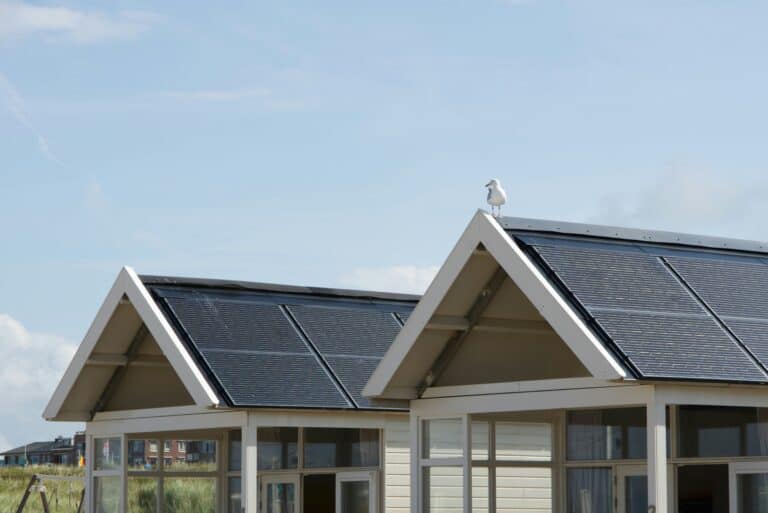
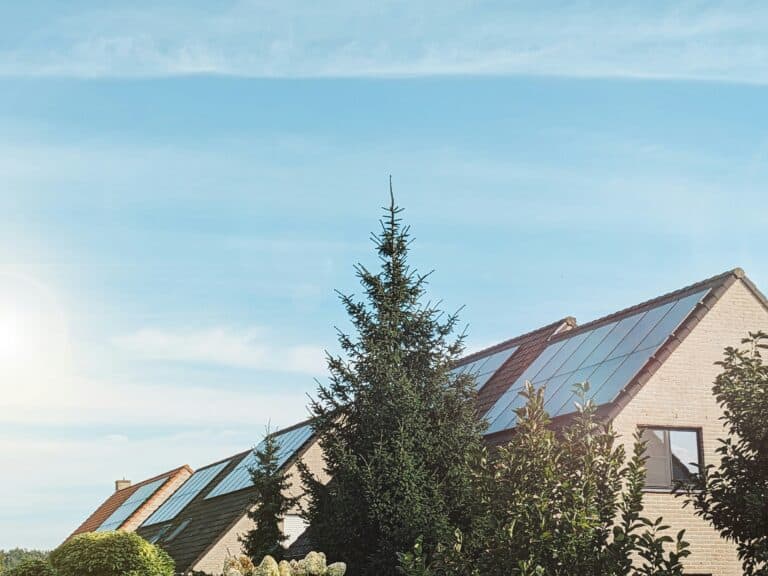
Permanently mounted rooftop systems are generally treated as part of the dwelling, in the same way a permanently attached structure is, and covered under the same perils.
Ground-mounted arrays are frequently classified as other structures instead, which is a separate and usually smaller coverage limit within the same policy.
Portable equipment such as panels and power stations is typically personal property rather than a structure, with different limits and sometimes different deductibles.
Those classifications matter because the limits differ, and a ground-mount array can exceed the other structures limit without anyone noticing. Our roundup of ground mount racking covers that installation type.
Why Your Coverage Limit May Need Raising
Dwelling coverage is based on the cost to rebuild your home. Adding a solar system adds to that rebuild cost.
If the limit is not adjusted, a total loss claim may fall short by roughly the value of the system, and that shortfall is yours.
Insurers do not usually adjust this automatically, since they cannot know about an installation you have not told them about.
The conversation is short: what the system cost, how it is mounted, and whether the dwelling limit should increase. Premiums may rise somewhat as a result, which is the trade for actually being covered.
Documentation Worth Keeping
Insurance claims are decided on evidence, and the evidence is easiest to gather before anything goes wrong.
Keep the installation contract, equipment invoices, and serial numbers, since a claim requires establishing what was there and what it cost.
Keep permit records and the inspection sign-off, which is the documentation that answers the unpermitted-work question directly.
Photographs of the completed installation from several angles cost nothing and establish condition before any damage.
Production data matters too, because it demonstrates the system was working normally before an event, which supports a claim that damage caused a loss of output.
Storing all of it somewhere other than the house is worth doing, given that the claims most likely to need it involve the house. Our roundup of production meters covers gathering that data.
What Is Typically Covered
Weather damage
Hail, wind, and falling trees are generally covered perils for permanently attached systems, subject to your deductible.
Fire
Covered as a peril, though claims relating to unpermitted or unlicensed electrical work may be declined.
Theft
Usually covered, and ground-mounted and portable equipment can have different treatment from rooftop.
Liability
If your installation causes damage to someone else’s property, liability coverage generally applies. Our roundup of anti-theft locks covers reducing that risk.
Deductibles Deserve Attention
Coverage existing and coverage being useful are different things, and the deductible decides which one you have.
Many policies apply a separate wind and hail deductible that is considerably higher than the standard one, frequently calculated as a percentage of the dwelling coverage rather than a flat amount.
On a home insured for a substantial sum, a percentage deductible can exceed the cost of replacing several damaged panels entirely, which means a partial-damage claim is not worth filing.
That matters most in exactly the regions where hail damage is likely, since those are where percentage deductibles are most common.
Knowing the figure before a storm rather than after changes what you do about it, whether that is adjusting the deductible or simply budgeting for repairs yourself.
What Is Usually Not Covered
Manufacturer defects fall to the product warranty rather than to insurance, which is a different claim to a different party.
Normal degradation is expected wear and no insurer covers panels producing less after fifteen years.
Poor installation and workmanship are the installer’s responsibility, which is why their own insurance and warranty matter.
Unpermitted or unlicensed electrical work is the one people get caught by, since it can void coverage for anything resulting from it. Our note on what a solar panel warranty covers covers the manufacturer side.
Leased Systems Are Different
A leased or power-purchase system is usually owned by the company rather than by you, which changes who insures it.
The lease agreement normally specifies who carries coverage and who is responsible for damage, and that is worth reading rather than assuming.
You may still need liability coverage relating to equipment on your property even where you do not own it.
Leases also complicate home sales, since the agreement has to transfer or be settled, and buyers’ lenders sometimes object. Our note on choosing solar panels covers buying outright.
Does It Raise Your Premium
Usually somewhat, and the mechanism is worth understanding because it makes the increase easier to accept.
Premiums are based partly on the cost to rebuild the home, so adding a system that must be replaced after a total loss raises that figure and therefore the premium.
That is not a penalty for having solar. It is the cost of the system being covered at all, and declining the increase means declining the coverage.
Some insurers view solar neutrally or even favorably where it comes with a newer roof, since roof age is a significant factor in their own risk assessment.
Shopping the policy is reasonable, since insurers treat solar differently from one another and the difference between them can exceed the increase itself. Our note on net metering and incentives covers the other side of the running costs.
Roof Condition Matters More Than People Expect
Insurers care about roof age and condition, and adding solar to a roof nearing the end of its life creates a problem in both directions.
Replacing a roof under an installed array means removing and reinstalling the panels, which is a substantial cost most people do not price in.
Some insurers ask about roof age when adding solar, and a very old roof can affect coverage terms.
The practical advice everywhere is to replace a roof before installing rather than after, and insurance is one more reason among several. Our note on 100 watt solar panels covers weather exposure.
Questions Worth Asking Your Insurer
Whether the system is covered under dwelling or other structures, since the limits differ significantly.
Whether your dwelling coverage limit needs increasing to reflect the added replacement cost.
Whether the deductible for solar-related claims differs from your standard deductible, which it sometimes does for wind and hail.
Whether they require documentation of permits and licensed installation, and get their answers in writing rather than over the phone.
Solar and Home Insurance FAQ
Do I need to tell my insurer about solar?
Yes, before installing. An insurer that does not know about the system may not cover it, and undisclosed modifications can affect the policy more broadly.
Are panels covered under a standard policy?
Roof-mounted systems are commonly covered under the dwelling portion as a permanent attachment. Ground-mounted arrays often fall under other structures with a lower limit.
Will my premium go up?
Possibly, since the rebuild cost of the home increases. That increase is what makes the system actually covered, so it is the cost of coverage rather than a penalty.
Is hail damage covered?
Generally yes as a covered peril, subject to your deductible. Some policies apply a separate and higher deductible to wind and hail claims, which is worth checking.
What if the panels were installed without permits?
Claims relating to unpermitted or unlicensed electrical work may be declined. That turns a fire into an uninsured loss, which is the strongest practical argument for permitting.
Who insures a leased system?
Usually the leasing company, and the agreement specifies it. You may still need liability coverage for equipment on your property even without owning it.
Does roof age matter?
Insurers care about it, and replacing a roof under an installed array means removing and refitting the panels. Replacing the roof first is the standard advice.
What about portable panels and power stations?
Typically personal property rather than a permanent structure, which means different limits and sometimes different deductibles from a mounted system.