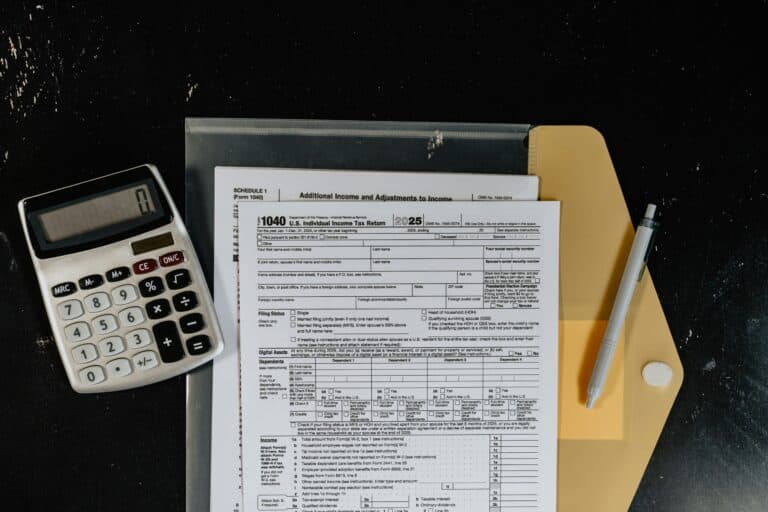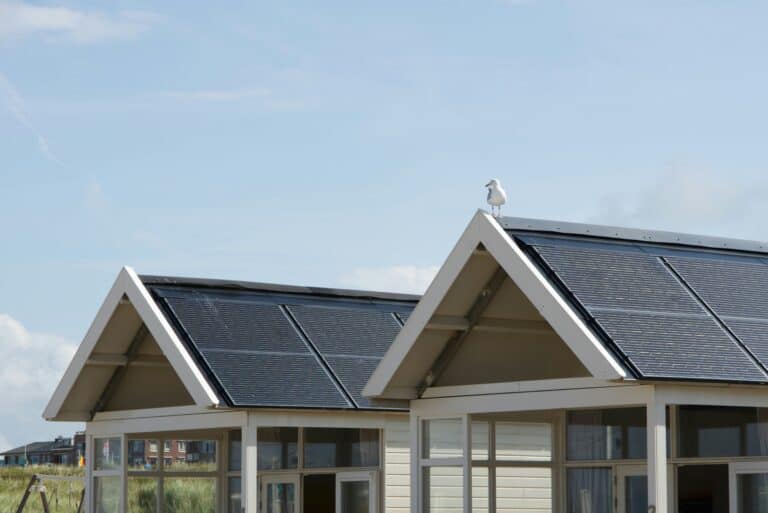

Adding solar raises what a home is worth, and property tax is calculated on assessed value. That is the concern behind the question, and in most of the United States there is a specific rule that addresses it.
Most states exempt some or all of the added value from assessment. The exemption is not universal, the terms differ considerably, and it is worth checking your own state rather than assuming. Our note on how solar affects home insurance covers the other cost people forget.
A Note on Scope
This is general information rather than tax advice. Property tax rules are set at state and frequently county level, they change, and individual circumstances vary. A local assessor’s office or a tax professional is the right source for a decision that affects your bill.
Quick Answer
In most states, no, because a property tax exemption excludes the added value of a solar installation from assessment. Where no exemption exists, the added value can be assessed like any other improvement.
How the Exemption Works
| Type | What it does |
|---|---|
| Full exemption | None of the solar value is assessed |
| Partial exemption | A capped amount or percentage is excluded |
| Time-limited | Exemption applies for a set number of years |
| Application required | Exemption granted only if you file for it |
| Automatic | Applied by the assessor without action |
| No exemption | Added value assessed like any improvement |
Why the Question Comes Up
Home improvements generally increase assessed value, and an assessor revisiting a property after a permitted installation is normal rather than unusual.
Solar is a permitted improvement in most jurisdictions, so the work is on record with the local authority. That record is frequently what prompts a reassessment.
Without an exemption, the logic would follow any other improvement: value goes up, assessment goes up, bill goes up.
The exemptions exist precisely because states wanted to remove that disincentive. Our note on what permits you need for solar covers the paperwork side.
Owned Versus Leased Changes the Answer
Ownership is the distinction that decides most of this, and it is easy to overlook.
A purchased system becomes part of the property, which is why it can add assessed value and why the exemption matters.
A leased system or one under a power purchase agreement is generally owned by the provider rather than by you, so it is their equipment sitting on your roof.
That usually means no added assessed value for you, and it also means no added resale value, which is the trade-off. Our note on whether solar is worth it if you move in five years covers resale.
How Assessed Value Differs From Market Value
The distinction matters here and it is frequently misunderstood.
Market value is what a buyer would pay. Assessed value is what the taxing authority uses to calculate your bill, and the two are not the same number in most jurisdictions.
Many places assess at a fraction of market value, so an improvement adding a given amount to what a house would sell for adds considerably less to the assessment.
That means even without an exemption, the tax consequence of solar is usually smaller than the value added, which is a point people miss when they assume the two move together.
It also means comparing a neighbor’s experience is unreliable, since assessment ratios and rates differ between counties as well as states. Our note on taking solar panels when you move covers the ownership question.
What Varies Between States
Whether an exemption exists at all
Most states have one and not all do, which is the first thing to establish.
Full or partial
Some exclude the entire added value, others cap it at an amount or a percentage.
Duration
Some exemptions run indefinitely, others expire after a set period.
Whether you have to apply
This is the one that costs people money. An exemption you never filed for is an exemption you do not have. Our note on Arizona net metering and incentives covers one state’s arrangement.
Checking Your Own Situation
The county assessor’s office is the authoritative source and the one most people skip. They administer the exemption and can tell you whether it is automatic or requires filing.
State energy office websites frequently publish a plain summary of the exemption, which is a reasonable starting point before calling.
The DSIRE database maintained by North Carolina State University catalogs state incentives including property tax treatment, and it is a widely used reference.
Your installer will usually know the local rule, and they are selling you something, so confirming independently is sensible rather than cynical.
What Counts as the Added Value
Where an exemption is partial or capped, it matters what the assessor treats as solar value.
The equipment itself is the straightforward part: panels, inverter, mounting, and associated wiring.
Battery storage is less consistent. Some jurisdictions treat storage as part of the solar installation and others assess it separately, which can matter on a system with substantial battery capacity.
Roof work done at the same time is a common complication. Replacing a roof before installing panels is a separate improvement and is generally assessed as one, exemption or not.
Anyone combining a roof replacement with a solar installation should expect those to be treated differently, and asking in advance avoids a surprise. Our note on putting panels flat on a roof covers roof considerations.
Timing and Deadlines
Where an exemption requires an application, there is usually a deadline tied to the assessment calendar rather than to your installation date.
Missing it can mean waiting a full cycle before the exemption applies, which is a real cost for a filing that takes minutes.
Assessment cycles differ by jurisdiction, and some reassess annually while others run on multi-year cycles.
Asking about the deadline at the same time you ask about the exemption is the efficient version of this conversation.
What Changed for 2026
The federal residential clean energy credit ended for systems placed in service after December 31, 2025 under the One Big Beautiful Bill Act.
That was a federal income tax credit rather than a property tax measure, so it does not affect state property tax exemptions, which are separate and still in force where they exist.
The two get conflated constantly, and they operate independently of each other.
Anyone reading older guidance should check publication dates carefully, since a great deal of material online still describes the federal credit as available. Our note on questions to ask a solar installer covers verifying claims.
Property Tax and Solar FAQ
Does solar increase property taxes?
In most states no, because a property tax exemption excludes the added value from assessment. Where no exemption exists, it can be assessed like any improvement.
Does the exemption apply automatically?
It depends on the state. Some apply it automatically, others require an application. An exemption you never filed for is one you do not have.
What about a leased system?
Leased systems and power purchase agreements are generally owned by the provider, so they usually add no assessed value to your property, and no resale value either.
Does solar add to home value?
Owned systems generally do, which is the reason the exemption exists. The exemption addresses the tax consequence rather than the value itself.
Who do I ask?
Your county assessor’s office administers the exemption and is the authoritative source. State energy offices and the DSIRE database are useful starting points.
Is there a deadline?
Where an application is required, usually yes, and it is tied to the assessment calendar rather than your install date. Ask when you ask about the exemption.
Did the federal credit ending change this?
No. The federal residential credit was an income tax credit and ended for systems placed in service after December 31, 2025. State property tax exemptions are separate.
Can an exemption expire?
In some states, yes. Certain exemptions run for a set number of years rather than for the life of the system, which is worth confirming locally.
Sources
DSIRE, the Database of State Incentives for Renewables and Efficiency, maintained by the N.C. Clean Energy Technology Center at North Carolina State University, for state-level property tax treatment. U.S. Department of Energy, on residential solar and state incentives. Internal Revenue Service, on the residential clean energy credit and its expiration for systems placed in service after December 31, 2025.
For the wider picture, see our guide to how to choose a solar battery.