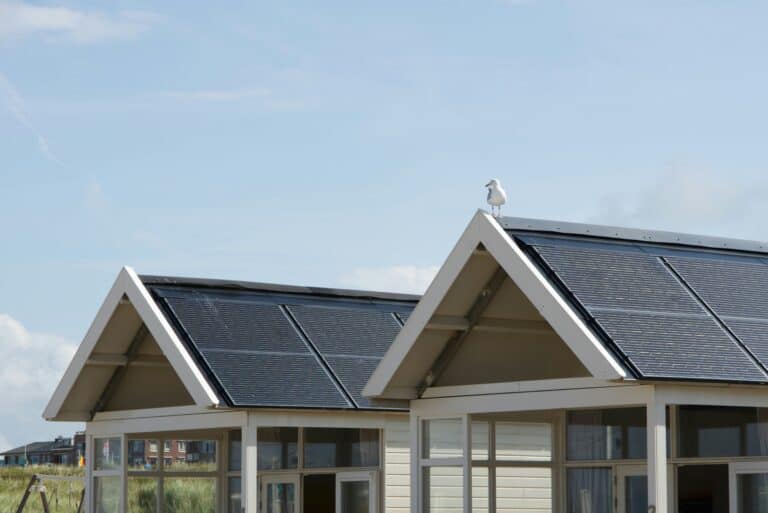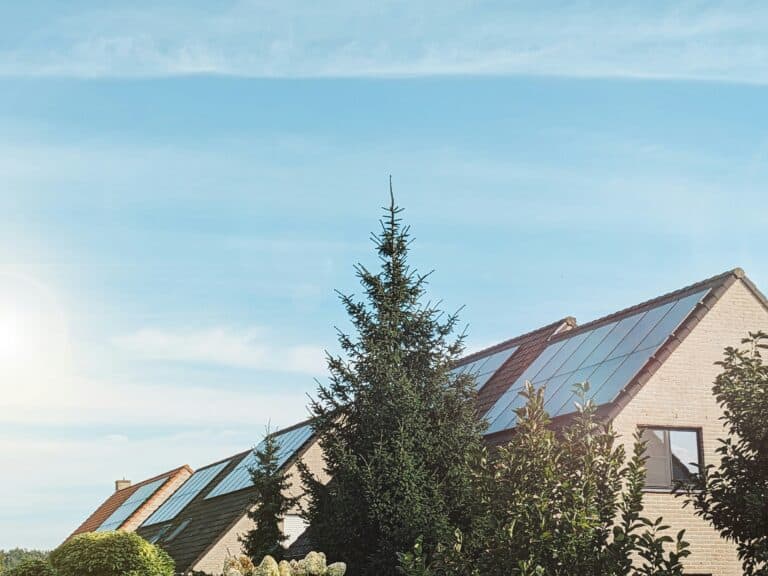
The gap between a rooftop panel and the roof surface is sheltered, warm, and out of reach of predators, which makes it close to ideal nesting habitat. Pigeons and starlings find it reliably.
The damage is not the birds themselves. It is droppings on the roof and wiring, nesting material blocking airflow under the array, and chewed cable insulation. Our note on whether solar panels need servicing covers upkeep generally.
Types at a Glance
| Type | Best for | Limitation |
|---|---|---|
| Perimeter mesh with clips | Full exclusion | Fiddly install, most effective |
| Aluminum mesh strip | Durability, long runs | Sharp edges, needs cutting |
| Plastic mesh | Cost, easier handling | UV degrades it over years |
| Spikes | Landing points, not gaps | Does nothing for the underside |
| Visual or reflective deterrents | Cheap first attempt | Birds habituate quickly |
| Ultrasonic devices | No physical install | Evidence for efficacy is weak |
How We Picked
Selections are grouped by whether they physically exclude birds or attempt to discourage them, since that distinction predicts whether a solution lasts.
Descriptions come from documented product specifications rather than hands-on evaluation of every option.
1. A Mesh and Clip Kit, Best Overall
Why It Stands Out
Physical exclusion is the only approach birds cannot adapt to. Mesh around the array perimeter closes the gap entirely rather than making it less appealing.
Purpose-made clips attach to the panel frame rather than the roof, so nothing is drilled and no roof penetration is created.
Worth Knowing
Installation is slow, since every clip is fitted by hand around the whole perimeter.
Working on a roof carries its own risk and many people hire this out. Our note on whether you need an electrician covers professional work.
This suits any rooftop array with a gap. Skip it for ground mounts.
2. Aluminum Mesh, Best Durability
Why It Stands Out
Metal mesh survives UV, heat cycling, and determined birds far better than plastic, which matters on an installation meant to last decades.
Aluminum specifically avoids the galvanic corrosion risk that steel can create against aluminum panel frames.
Worth Knowing
Cut edges are sharp and need care during handling.
Costs more per foot than plastic alternatives. Our roundup of panel mounting kits covers the frame hardware.
This suits permanent installs. Skip it if you want something reversible.
3. Plastic Mesh, Best Value
Why It Stands Out
Cheaper, lighter, and easier to cut and handle at height, which matters when working on a roof for hours.
For a smaller array or a first attempt at the problem, it addresses the same gap for considerably less.
Worth Knowing
UV exposure degrades plastic over years, so expect to revisit it.
Determined birds can work through damaged sections. Our note on how hot is too hot for panels covers heat exposure.
This suits smaller arrays and trials. Skip it for a long-term fix.
4. Bird Spikes, Best for Landing Points
Why It Stands Out
Spikes prevent perching on ridges, gutters, and the top edge of an array, which reduces droppings on the panel surface itself.
Useful alongside mesh rather than instead of it, since the two address different behaviors.
Worth Knowing
Spikes do nothing about the gap underneath, which is where nesting happens.
Adhesive-mounted spikes fail in heat, so mechanical fixing lasts better. Our roundup of panel cleaning brushes covers dealing with droppings.
This suits perching problems. Skip it if nesting is the issue.
5. Reflective Deterrents, Best First Attempt
Why It Stands Out
Reflective tape, spinning rods, and predator decoys cost very little and take minutes to deploy, which makes them a reasonable thing to try before committing to mesh.
Occasionally sufficient for a new problem before birds have established a nesting site.
Worth Knowing
Birds habituate quickly, and effectiveness commonly drops within weeks.
Moving them periodically extends the effect somewhat. Our note on how often to clean panels covers the consequence of failure.
This suits early intervention. Skip it for an established colony.
6. An Ultrasonic Repeller, Best No-Install Option
Why It Stands Out
Nothing is attached to the array, which appeals to anyone unwilling to work at height or worried about warranty implications.
Solar-powered versions need no wiring, so placement is unconstrained.
Worth Knowing
Evidence for ultrasonic bird deterrence is weak, and results are inconsistent in practice.
Birds that have already nested are unlikely to be moved by one. Our roundup of solar motion sensor lights covers other deterrent hardware.
This suits a low-effort attempt. Skip it if the problem is established.
What the Damage Actually Is
Droppings are acidic and accumulate on the roof surface, flashing, and any wiring running beneath the array.
Nesting material is the more serious problem. Twigs and debris packed under panels block the airflow that keeps them cool, and panels running hotter produce less.
That material is also dry and combustible sitting directly against electrical equipment, which is the risk installers raise most often.
Birds also peck at exposed cable insulation, and damaged DC wiring under an array is both a fault risk and difficult to inspect. Our note on whether panels need grounding covers electrical safety.
Which Birds Cause the Problem
The species involved shapes both the damage and the legal position, which is worth knowing before choosing a response.
Pigeons are the most commonly reported, and they nest persistently in the same location year after year once established. They also produce the largest volume of droppings.
Starlings are the other frequent occupant, and they favor smaller gaps than pigeons, which means mesh aperture matters more where they are present.
Sparrows and swifts are smaller again and can pass through mesh sized for pigeons, so a product specification that works in one area is inadequate in another.
Protection status varies considerably by species and country, and some birds that seem like a nuisance are protected during breeding season regardless of where they nest.
Identifying what you actually have before ordering avoids buying mesh that the resident species walks straight through. Our note on solar panel connectors cables covers inspection.
Clearing Before You Exclude
Fitting mesh around an occupied nest traps birds underneath, which is both inhumane and creates a worse mess than the original problem.
Nesting birds are legally protected in many jurisdictions during breeding season, and removing an active nest can be an offense.
The usual sequence is waiting until a nest is genuinely inactive, clearing debris thoroughly, then excluding.
Checking local wildlife rules before starting is worth the few minutes, since the rules differ considerably by country and by species. Our note on what permits you need for solar covers regulatory checking generally.
Warranty and Fixing Method
Clip to the frame, not the roof
Frame clips avoid new roof penetrations, which is the main installation concern.
Avoid drilling panel frames
Drilling into a panel frame voids most manufacturer warranties.
Watch for dissimilar metals
Steel against aluminum frames invites galvanic corrosion over years.
Keep airflow
Mesh should exclude birds without sealing the gap, since panels rely on air moving underneath.
Ground Mounts Have a Different Problem
Ground-mounted arrays avoid the roof gap entirely and attract birds for other reasons.
The array provides shade and shelter from above, which draws ground-nesting birds and small mammals underneath rather than into a cavity.
Perching on the top edge is the more common issue, and droppings landing directly on the panel surface reduce output until washed off.
Spikes along the upper frame edge address that directly and are far easier to fit at ground level than on a roof.
Mesh skirting around the base is available and it is usually about excluding animals rather than birds, since the shelter underneath is open rather than enclosed. Our roundup of ground mount racking covers those installations.
What to Look For
Mesh aperture small enough
Large enough openings let smaller birds through entirely, which defeats the purpose.
Clips matched to your frame depth
Frame profiles vary, and clips that do not seat properly work loose.
UV-stable material
Anything on a roof is in full sun permanently.
Enough length for the full perimeter
Partial exclusion tends to redirect birds rather than remove them.
Cost Against Consequence
Exclusion is not cheap once installation is included, so the question is what it prevents.
Cleaning accumulated droppings and nesting debris from under an array is a specialist job, and it recurs annually while the birds remain.
Output losses from blocked airflow and soiled panels are gradual and rarely measured, which is why they are easy to overlook when weighing the cost.
Damaged DC cabling under an array is the expensive failure, since diagnosis requires lifting panels and the fault may not be obvious from monitoring data.
Set against a repeat cleaning bill and the risk of cable damage, a one-time exclusion generally compares well, which is the reason installers increasingly offer it at the point of installation rather than afterward. Our note on what a solar panel warranty covers covers what is not included.
Common Mistakes to Avoid
Excluding before clearing
Trapping birds under an array is worse than the original problem in every respect.
Relying on visual deterrents alone
Habituation is rapid, and an established site rarely responds.
Sealing the gap completely
Panels need airflow underneath, and blocking it costs output.
Drilling into panel frames
Voids warranties and creates corrosion points. Frame clips exist for this reason. Our roundup of tilt mounts covers frame hardware.
Recommended Reading
See our roundup of does shade affect solar panels, our note on choosing solar panels, our roundup of solar security cameras, and a note on how long solar panels last.
Solar Panel Bird Deterrent FAQ
Why do birds nest under solar panels?
The gap between panel and roof is sheltered, warm, and inaccessible to predators, which makes it close to ideal nesting habitat.
What actually works?
Physical exclusion with mesh and clips. Birds habituate to visual and ultrasonic deterrents, and they cannot adapt to a closed gap.
Is it just a mess problem?
No. Nesting material blocks the airflow panels rely on for cooling, sits dry against electrical equipment, and birds peck at cable insulation.
Can I fit mesh myself?
Physically yes, and it means working at height for an extended period. Many people hire it out for that reason alone.
Will it damage my panels or roof?
Not if clips attach to the panel frame rather than drilling the frame or the roof. Drilling frames voids most warranties.
What about birds already nesting?
Clear first, exclude after. Fitting mesh around an active nest traps birds, and nesting birds are legally protected in many places during breeding season.
Do spikes help?
For perching on ridges and array edges, yes. They do nothing about the gap underneath, which is where nesting happens.
Are ultrasonic devices effective?
Evidence is weak and results inconsistent. They are a low-effort attempt rather than a solution for an established problem.