
A rainwater harvesting system collects roof runoff into storage you can draw from, and the roof area feeding it sets the ceiling on everything downstream. The best rainwater harvesting systems fall into six categories, and the table below sorts them by scale and by what each one actually requires. Collection capacity is arithmetic, not opinion.
The arithmetic is simple enough to do on paper. Roof footprint times rainfall gives you a volume, and the difference between a useful system and a decorative one is whether the storage matches that volume.
Off-grid sites usually already have the pumping half solved. Our guide to solar well pumps covers drawing water up, and this covers catching it on the way down.
Rainwater Harvesting Systems at a Glance
| Category | Typical scale | Needs a pump | Main requirement |
|---|---|---|---|
| Rain barrels and linked barrels | Small, garden scale | No, gravity fed | A downspout and level ground |
| Above-ground poly tanks | Medium to large | Usually | A prepared level base |
| Underground cisterns | Large | Yes | Excavation and a pump |
| First-flush diverters and gutter filters | Any | No | Fitting into the downpipe run |
| Pump and pressure tank sets | Any stored volume | Is the pump | Power and a pressure vessel |
| Filtration and treatment stages | Any, scaled to use | Usually pressure fed | Matching treatment to intended use |
The verdict follows that ordering. Start with a first-flush diverter and gutter screening regardless of scale, because clean input decides how much treatment you need later. Barrels suit garden use, above-ground poly tanks are the workhorse for a cabin, and an underground cistern only pays off where freezing or space forces it. Treatment scales to what the water is for, and drinking water is a different standard from irrigation.
How We Picked
We compared system categories rather than individual units, because product lineups turn over while the underlying designs stay stable. Each section covers one category and the role it plays in a complete setup.
We ranked categories on four things: storage capacity relative to cost, what each one demands in site preparation, whether it needs power, and how it behaves through a freeze.
We excluded municipal-scale equipment and anything requiring a pressurized mains connection, since neither applies to the builds this site covers.
1. Rain Barrels and Linked Barrel Sets
Why It Stands Out
A barrel under a downspout is the cheapest working system there is. It needs no pump, no base preparation beyond level ground, and no tools beyond a hole saw.
Linking several barrels raises capacity without changing the approach. Each one overflows into the next and the last overflows away from the foundation.
Worth Knowing
Capacity is the limit. A single barrel fills in one decent storm and then spills the rest of it.
Gravity gives you very little pressure, so this suits filling containers and drip irrigation rather than anything that needs flow. Screening the inlet is essential to keep insects out.
Elevating a barrel buys a little head pressure. A stand raises the outlet enough for a hose to run, which is often the difference between useful and ornamental.
Best for: Garden watering, topping up livestock troughs, and testing whether your roof yields what you expect. Skip it if you need water for household use.
2. Above-Ground Poly Tanks
Why It Stands Out
Large polyethylene tanks are the workhorse of rainwater collection. Cost per gallon of storage drops sharply as capacity rises, and installation is still a matter of preparing a base and plumbing an inlet.
Above ground also means everything stays accessible. Leaks, fittings and sediment are all reachable without digging.
Worth Knowing
The base carries a lot of weight once full, so a properly prepared and level pad is not optional. Water is heavy and an unlevel tank stresses its own seams.
Sunlight promotes algae, which is why opaque dark tanks outperform translucent ones. Freezing is the other consideration, and a tank exposed to hard winters needs draining or insulating.
Two smaller tanks often beat one large one. You can isolate a leak, clean one while the other stays in service, and move them before they are full.
Best for: Cabins and homesteads wanting real storage at sensible cost. Skip it if you have no space for a tank or cannot prepare a level base.
3. Underground Cisterns
Why It Stands Out
Burying storage solves two problems at once: freezing and visual footprint. Below the frost line, water stays liquid through winter without any heating.
Capacity can also be much larger, because you are not constrained by what looks acceptable beside a building.
Worth Knowing
Excavation is the cost, and it is substantial. Backfill specification matters too, since a tank can deform under improperly compacted soil.
A pump becomes mandatory, because gravity no longer helps you. Everything drawn out has to be lifted, which puts this system firmly in the same planning as our off-grid load list.
Best for: Permanent sites with hard winters or no room for a visible tank. Skip it for anything seasonal or mobile.
4. First-Flush Diverters and Gutter Filters
Why It Stands Out
The first water off a roof carries the most dust, pollen, droppings and grit. A first-flush diverter discards that initial volume before the rest reaches storage.
Gutter screens and inline leaf filters do the coarse work upstream. Together they decide how much sediment you will be dealing with for years.
Worth Knowing
Diverters need emptying or a slow-release fitting so they reset between storms. A full diverter stops diverting.
Roof material affects what the first flush carries. Metal sheds less than asphalt, which is why the same diverter does more work on some buildings than others.
Filters need cleaning on a schedule, particularly under trees. This is the least glamorous part of the system and the one that protects everything else.
Best for: Every system, at every scale. Skip it only if your roof somehow never collects debris.
5. Pump and Pressure Tank Sets
Why It Stands Out
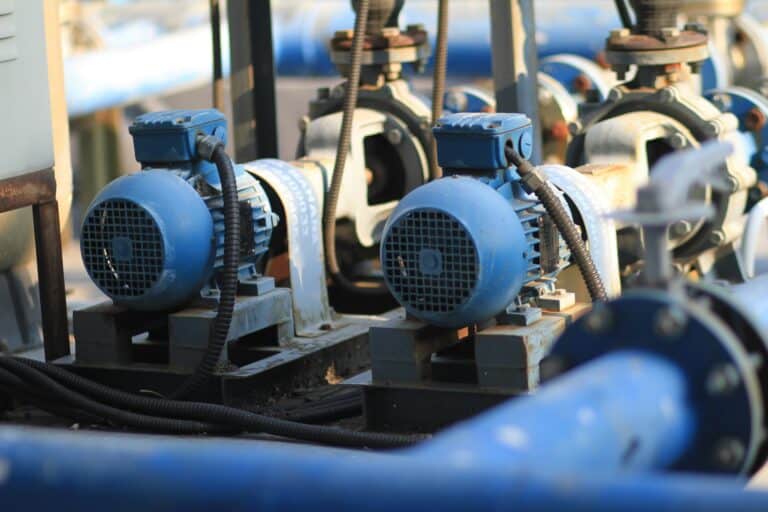
A pump plus a pressure tank turns stored water into a plumbed supply. The pressure vessel is what stops the pump cycling on every tap opening, which both saves power and extends pump life.
On-demand pumps with built-in controllers achieve something similar in a smaller package. Either way, pressure is what makes stored water feel like running water.
Worth Knowing
Startup surge is the figure to plan around rather than the running draw. Size the inverter for it using our inverter sizing guide, or choose a DC pump and skip the inverter entirely.
Pumps must never run dry, so a low-level cutout protects the one component you cannot easily replace at a remote site.
Pump placement decides how much work it does. A pump mounted low next to the tank pushes water rather than pulling it, which it does far more happily.
Best for: Any system feeding taps, showers or appliances. Skip it if gravity-fed drip irrigation is all you need.
6. Filtration and Treatment Stages
Why It Stands Out
Treatment scales to the intended use, which is what makes this a category rather than a single product. Sediment cartridges handle grit, carbon handles taste and odor, and ultraviolet or ceramic stages address biological contamination.
Staging them in order matters. Sediment first protects everything after it, and ultraviolet only works on water already clear enough for light to pass through.
Worth Knowing
Roof runoff is not drinking water as collected, and treating it to potable standard is a deliberate multi-stage decision rather than a filter you drop in. Local rules on potable rainwater also vary widely.
Ultraviolet stages need continuous power while water flows, which is a load to plan for. Cartridges are a recurring consumable, so factor the replacement cost rather than just the housing.
Best for: Any system whose water goes beyond irrigation, scaled up as the use gets closer to drinking. Skip the later stages if the water only ever waters plants.
What to Look For in a Rainwater System
How much roof do you actually have?
Collection is roof footprint times rainfall, minus losses to the first flush and to overflow. That number is the ceiling, and no tank raises it.
Work it out before shopping for storage. A tank far larger than your roof can fill is money spent on empty space.
Rainfall pattern matters as much as annual total. A region with one wet season needs storage to carry the dry months, and a region with steady rain needs less.
What will the water be used for?
Irrigation, livestock, washing and drinking sit at four different treatment standards. The intended use decides the filtration budget entirely.
Be honest about it up front, because retrofitting treatment onto a system designed for irrigation is more expensive than planning it in.
What happens when it freezes?
Above-ground tanks, exposed pipework and pumps all need a freeze plan. Draining, insulating or burying are the three answers.
Seasonal sites have it easier, since draining down before leaving handles it. Our guide to leaving a cabin empty covers the same thinking for the electrical side.
Where does the overflow go?
Every tank overflows eventually, and the discharge needs directing away from foundations and footings. This gets forgotten until the first heavy storm.
A proper overflow outlet with its own pipe run is part of the install rather than an afterthought.
Above-Ground Tanks vs Underground Cisterns
Where above ground wins
Cost, accessibility and simplicity. No excavation, no structural backfill, and every fitting reachable when something drips.
Gravity can also do some of the work, which an underground system never offers.
Where a cistern wins
Freezing and footprint. Below the frost line the water stays liquid without heat, and the tank takes up no visible space.
Both advantages are real and both are paid for in excavation and in a pump that must run for every drop you use.
What Trips People Up
Buying storage before doing the arithmetic
Roof area sets the collection ceiling. A tank sized beyond it simply never fills.
Skipping the first-flush diverter
It is the cheapest component and it determines how dirty your stored water starts out. Everything downstream works harder without it.
Assuming collected rainwater is drinkable
Roof runoff carries debris, droppings and whatever the roof surface sheds. Potable use is a deliberate treatment decision and often a regulated one.
Forgetting the pump surge
Running draw is modest and the startup spike is what trips an undersized inverter. Plan for the surge figure.
Worth reading next: solar livestock watering systems covers moving stored water to troughs, and solar irrigation controllers cover scheduling it into a garden. For whether a site can run the whole setup on panels, see running a cabin entirely on solar, and the legal side of living off grid covers how much water rules vary by jurisdiction.
Frequently Asked Questions
What are the best rainwater harvesting systems for off-grid use?
An above-ground poly tank fed through a first-flush diverter is the workhorse setup for a cabin, with a pump and pressure tank if the water feeds taps. Barrels suit garden use and cost almost nothing. Underground cisterns earn their cost where winters freeze hard or space is short.
How much water can you collect from a roof?
Multiply the roof footprint by the rainfall depth, then subtract what the first-flush diverter discards and what overflows when the tank is full. The footprint is the horizontal area rather than the sloped surface. That figure is your ceiling regardless of how much storage you buy.
Is collected rainwater safe to drink?
Not as collected. Roof runoff picks up dust, pollen, droppings and material from the roof surface itself, so potable use needs deliberate multi-stage treatment. Local rules on drinking harvested rainwater also vary widely and are worth checking before planning for it.
Do you need a first-flush diverter?
On any system you intend to use, yes. The first water off a roof carries the heaviest load of debris and contaminants, and discarding it keeps stored water far cleaner. It is the cheapest component in the system and the one that protects the rest.
How do you stop a rainwater tank freezing?
Drain it before winter on a seasonal site, insulate and heat-trace exposed pipework where use continues, or bury storage below the frost line. Pumps and above-ground pipe runs freeze before a large tank body does. Underground cisterns avoid the problem rather than managing it.
What size pump does a rainwater system need?
Enough flow for the fixtures you intend to run, and a startup surge your inverter or DC circuit can supply. A pressure tank reduces cycling and extends pump life considerably. A low-level cutout is worth having, since running dry is what kills pumps.
How do you keep algae out of a rainwater tank?
Block the light. Opaque dark tanks prevent the photosynthesis algae needs, while translucent tanks in sunlight will grow it. Keeping the inlet screened and the first flush diverted also removes much of the organic material algae feeds on.
Is rainwater harvesting legal everywhere?
Rules vary by jurisdiction, and some places regulate collection volume, permitted uses, or require permits for plumbed systems. Others actively encourage it with rebates. Check locally before committing to a design, since the answer can change which category makes sense.