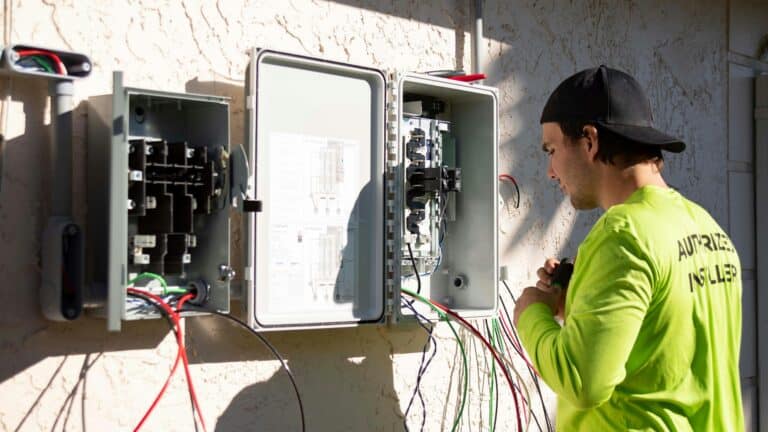

A transfer switch is the safety-critical link between your backup power and your home’s circuits. It lets you run a fridge, furnace, or well pump from a solar generator, battery, or standby generator, while making it impossible to backfeed electricity onto the grid, a mistake that can injure or kill a utility worker. Because it ties into your electrical panel, choosing the right transfer switch is about matching your backup source, your load, and your comfort with automation. This guide sorts transfer switches by type so you can match one to your setup, and it pairs naturally with our solar generators for home backup guide.
Quick Verdict
For most homes, a manual transfer switch is the affordable, reliable pick for powering a handful of essential circuits. Choose an automatic transfer switch for hands-free switchover, an inlet-box setup for portable generators and power stations, and a whole-home switch to back up the entire panel. Always match the switch to your source and have a qualified electrician handle the panel connection.
Key Takeaways
- A transfer switch prevents dangerous backfeeding while connecting backup power to your circuits.
- Manual switches are affordable and reliable; automatic switches flip over on their own.
- Match the switch’s amperage and circuit count to the loads you want to back up.
- Inlet-box setups suit portable generators and power stations plugged in from outside.
- Panel connections must follow code, so a licensed electrician should install the switch.
How We Compared Solar Transfer Switches
A transfer switch is judged on its safety and code compliance, the amperage and number of circuits it handles, compatibility with your backup source, and how simply it operates during an outage. Those are the factors weighed here, grouped by type rather than ranked, since the right switch depends on whether you back up a few circuits or the whole home, manually or automatically. Sizing your backup source to match is part of the job, which our guide to whole-home battery backup covers.
1. Manual Transfer Switch (Best for Simplicity)
Why It Stands Out
A manual transfer switch lets you flip selected circuits from grid to backup power by hand during an outage, and it is the most affordable, dependable choice for powering essentials like a fridge, lights, and a furnace. With fewer electronics, there is little to fail, and you stay fully in control of what draws power. For most homeowners backing up key circuits, it is the sensible standard.
Worth Knowing
Manual switching means you must be home to operate it, and it typically covers a preselected set of circuits rather than the whole panel. Plan which circuits matter most before installation.
Who it is for: homeowners backing up essential circuits affordably. Who should skip it: those wanting automatic, unattended switchover.
2. Automatic Transfer Switch (Best for Hands-Free)
Why It Stands Out
An automatic transfer switch senses an outage and flips to backup power on its own within seconds, then switches back when the grid returns, all without you lifting a finger. That hands-free operation is ideal for keeping critical loads like medical equipment, sump pumps, or a home office running even when you are away. For unattended reliability, it is the premium answer.
Worth Knowing
Automatic switches cost more and involve more electronics, and they are often paired with a compatible standby power source. Confirm it works with your specific backup system before buying.
Who it is for: homes needing unattended, instant backup. Who should skip it: budget-focused users who are home during outages.
3. Inlet Box Transfer Setup (Best for Portable Power)
Why It Stands Out
An inlet-box setup pairs a weatherproof power inlet on your exterior wall with a transfer switch inside, so you can safely plug in a portable generator or a large power station and feed selected circuits. It keeps the connection point outside and code-compliant, avoiding dangerous suicide cords. For anyone relying on a portable backup source, this is the safe, convenient bridge.
Worth Knowing
You still connect and start the portable source manually, so it is not hands-free. Match the inlet’s amperage and plug type to your generator or power station output.
Who it is for: owners of portable generators and power stations. Who should skip it: those with a permanently wired standby source.
4. Whole-Home Transfer Switch (Best for Full Backup)
Why It Stands Out
A whole-home transfer switch backs up the entire electrical panel rather than a handful of circuits, so with a large enough source everything in the house can keep running during an outage. It suits homes with big battery banks or standby generators where partial backup is not enough. For comprehensive resilience, it covers the whole load.
Worth Knowing
Whole-home backup demands a backup source large enough to carry the full load, or load management to shed non-essentials. It is the most involved and expensive option to install.
Who it is for: homes with large backup capacity wanting full coverage. Who should skip it: those backing up only essentials on a budget.
5. Interlock-Style Switch (Best for Panel Flexibility)
Why It Stands Out
An interlock kit is a mechanical device on your existing breaker panel that prevents the main and a backfeed breaker from being on at once, effectively creating a transfer function with access to any circuit in the panel. It is a flexible, space-saving alternative to a separate switch box, letting you power whichever circuits you choose. For flexibility on a compatible panel, it is a favorite.
Worth Knowing
Interlock kits must be listed for your exact panel and installed to code, and not every panel supports one. This is squarely electrician territory, since it modifies the main panel.
Who it is for: owners of compatible panels wanting circuit flexibility. Who should skip it: those with incompatible panels or who prefer a standalone switch.
6. Smart Transfer Switch (Best for Monitoring)
Why It Stands Out
A smart transfer switch adds monitoring and app connectivity, letting you see power status, manage loads, and get outage alerts from your phone. Paired with a solar and battery system, it can prioritize circuits and report on usage, bringing intelligence to your backup. For tech-forward homes, the visibility and control are the draw.
Worth Knowing
Smart features add cost and complexity, and they depend on the companion app and connectivity working. Make sure it integrates with your particular solar or battery ecosystem.
Who it is for: homes wanting app monitoring and load control. Who should skip it: those who prefer simple, offline reliability.
Solar Transfer Switches at a Glance
| Type | Best for | Standout | Watch-out |
|---|---|---|---|
| Manual | Essential circuits | Affordable, reliable | Must operate by hand |
| Automatic | Hands-free backup | Instant switchover | Costs more |
| Inlet box | Portable power | Safe outdoor connection | Manual start |
| Whole-home | Full backup | Covers the whole panel | Needs a large source |
| Interlock | Panel flexibility | Access any circuit | Panel-specific, code work |
| Smart | Monitoring | App control and alerts | Adds complexity |
How to Choose a Solar Transfer Switch
Match it to your backup source
A portable generator or power station pairs with an inlet box, while a standby battery or generator may support an automatic switch. Confirm the transfer switch is compatible with your specific source’s output and connection type.
Size the amperage and circuits
Add up the loads you want to run and choose a switch with enough amperage and circuit slots to cover them. Backing up only essentials needs far less capacity than whole-home coverage.
Decide manual or automatic
Manual switches are cheaper and simpler but need you present, while automatic switches flip over unattended at a higher cost. Weigh how critical uninterrupted power is against your budget.
Plan for professional installation
Because a transfer switch ties into your main panel, it must be installed to code, which almost always means a licensed electrician. Pair it with proper protection from our solar fuses and breakers guide.
Common Transfer Switch Mistakes to Avoid
Backfeeding without a transfer switch
Plugging a generator into an outlet to power your home can electrocute utility workers and damage equipment. Always use a proper transfer switch or interlock so backup power cannot reach the grid. Switch choice follows system type, and our comparison of grid tied and off grid setups compared explains where each begins.
Undersizing the switch
A switch with too little amperage or too few circuits leaves essential loads unpowered. Total your loads and choose capacity with some headroom.
Skipping the electrician
Panel connections are code-regulated and dangerous to get wrong. Have a licensed electrician install any transfer switch or interlock that ties into your main panel.
Ignoring source compatibility
Not every switch works with every backup source. Confirm the transfer switch matches your generator, power station, or battery system before you buy.
Recommended Reading
- Power stations for outages, as a backup source.
- How to prepare for a power outage, for the bigger plan.
- Solar disconnect switches, for safely isolating your array.
Related: transfer switches for home backup.
Solar Transfer Switch FAQ
What does a transfer switch do?
A transfer switch connects backup power to your home’s circuits while isolating them from the grid, so electricity from a generator, battery, or solar system cannot backfeed the utility lines. This protects utility workers and your equipment, and it lets you safely power selected circuits during an outage.
Do I need a transfer switch for a solar generator?
If you want to power your home’s wired circuits rather than just plug devices directly into the unit, yes. A transfer switch or inlet box safely routes the solar generator’s output into your panel. For running appliances by extension cord only, you can skip it, but hardwiring needs one.
What is the difference between a manual and automatic transfer switch?
A manual transfer switch requires you to flip it by hand during an outage, making it affordable and simple, while an automatic switch senses the outage and switches over on its own within seconds. Automatic switches suit unattended or critical loads; manual switches suit budget-conscious homeowners who are present.
Can I install a transfer switch myself?
Because a transfer switch connects to your main electrical panel, most jurisdictions require a licensed electrician and a permit, and doing it wrong is dangerous. Even experienced DIYers should verify local code. This is one area where professional installation is strongly advised for safety and compliance.
What size transfer switch do I need?
Size it to the total amperage of the loads you want to back up and the number of circuits involved. Backing up a few essentials needs a small switch, while whole-home coverage needs a larger one matched to your panel. Total your loads and add headroom.
Is an interlock kit as good as a transfer switch?
An interlock kit provides a safe transfer function and lets you access any circuit in your panel, often at lower cost and in less space than a separate switch. It must be listed for your exact panel and installed to code. For compatible panels, it is an excellent, flexible option.
Can a transfer switch work with a portable power station?
Yes, larger power stations with appropriate output can feed a transfer switch through an inlet box, letting them power home circuits safely. Confirm the station’s output type and amperage match the inlet and switch. This setup bridges portable backup power to your wired circuits.
Does a transfer switch protect against backfeeding?
Yes, preventing backfeeding is its core safety function. By isolating your circuits from the grid whenever backup power is connected, a properly installed transfer switch ensures electricity cannot flow back onto utility lines, protecting line workers and preventing equipment damage.