
Wondering what stands between a wiring fault and a fire in your off-grid setup? Solar fuses and circuit breakers are that line of defense, cutting power before a short or overload can damage gear or start a fire. This guide covers the protection devices worth building into a safe system, from battery-terminal fuses to resettable breakers. For a related component, see our guide to busbars for distributing power.
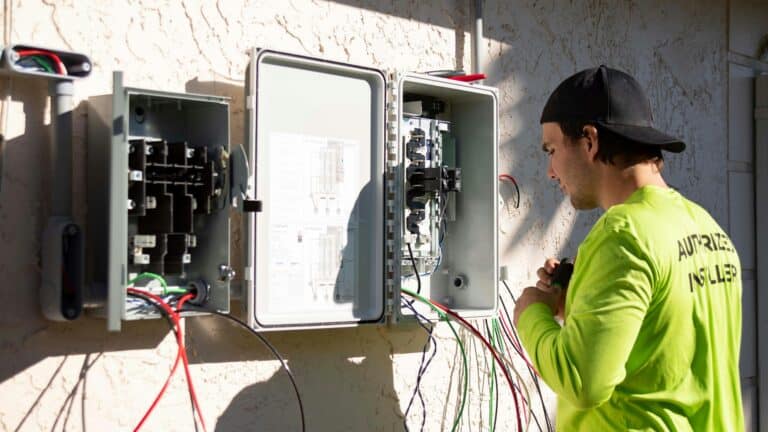
Safety note: Overcurrent protection is a safety system, not an optional accessory. Size every fuse and breaker to your wiring and gear, follow local electrical code, and consult a licensed electrician if you are unsure. Lithium battery banks in particular need correctly rated protection.
Quick verdict: For battery-terminal protection, the Blue Sea Systems MRBF Terminal Fuse Block is the trusted default. For resettable DC protection you can switch off, the MidNite Solar MNEPV Breakers lead.
How We Picked the Best Solar Fuses and Circuit Breakers
We weighed build quality, correct DC ratings, ease of mounting, and how each device fits common off-grid layouts. Protection devices have to interrupt a fault reliably, so quality and correct sizing matter more than price.
We covered terminal fuses, DIN-rail breakers, high-current main fuses, inline holders, and lithium-rated Class T fuses. Each protects a different point in the chain from panels to battery to inverter. Read our electrical safety notice before doing any of this wiring yourself.
We favored devices rated for direct current, since solar systems run on DC and an AC-only breaker can fail dangerously. Matching the device to your voltage and current is the whole game. Our guide to solar batteries covers the bank these protect.
1. Blue Sea Systems MRBF Terminal Fuse Block
Why It Stands Out
The MRBF block bolts straight to a battery terminal, putting protection at the source. It is compact, marine-grade, and trusted across off-grid and RV builds. For guarding the battery itself, it is the clean default.
Worth Knowing
You buy the matching fuse separately and rated to your system. The terminal mount suits the battery end rather than mid-run protection. Pick the fuse rating to suit your cable and load, not the highest available.
This fits a builder who wants protection right at the battery post in a tidy package. Skip it if you need a switch you can flip, since a fuse is one-time. An RV battery bank where space is tight and a terminal-mounted fuse keeps wiring clean is the ideal case.
Putting protection at the post also means the very first inch of cable is guarded. That matters most right at the battery, where fault current is highest.
2. MidNite Solar MNEPV Circuit Breakers
Why It Stands Out
These DIN-rail breakers are a solar staple for PV and battery circuits. They protect and double as a disconnect switch you can flip by hand. For a serviceable system, a resettable breaker beats a one-time fuse.
Worth Knowing
DIN-rail breakers want a rail or enclosure to mount in cleanly. They come in a range of ratings, so order the one that matches your circuit. A combiner box or panel gives them a proper home.
This fits a builder who wants resettable protection and a manual disconnect for maintenance. Skip it if you have nowhere to mount a rail and prefer an inline fuse. An off-grid cabin where you flip a breaker to safely service the array is the natural use case.
The disconnect function also lets you isolate the array before working on downstream gear. Pair it with a battery monitor to watch the system as you bring it back online.
3. Bussmann ANL Fuse and Holder
Why It Stands Out
The ANL fuse and holder handle the high current of a main battery-to-inverter run. Bussmann is a long-trusted name in circuit protection. For a heavy main line, this is the established choice.
Worth Knowing
ANL fuses suit high-current mains rather than small branch circuits. The holder needs a secure, accessible mounting spot. Match the fuse rating to your inverter and cable, not just the battery size.
This fits a builder running a large inverter who needs a robust main fuse. Skip it for a small low-power setup, where an inline holder is plenty. A solar generator feeding a big inverter, where the main cable carries serious current, is where ANL earns its place.
Recommended read: Building out the wiring? See our guides to solar connectors and cables and solar combiner boxes.
4. Renogy Inline Fuse Holder Kit
Why It Stands Out
This inline kit drops a fuse straight into a cable run with no rail or panel needed. It is beginner-friendly and quick to install. For a simple portable setup, it covers protection without fuss.
Worth Knowing
Inline holders suit lower-current branch circuits rather than heavy mains. The fuse is one-time, so keep spares on hand. Seal the holder well if it sits anywhere exposed to weather.
This fits a first-time builder or portable setup that needs simple, fast protection. Skip it for a high-current main line, where an ANL or Class T fuse fits better. A foldable-panel-to-power-station kit, where an inline fuse adds quick safety, is the everyday case.
It tucks into the cable without a panel or rail to mount. For a grab-and-go solar kit, that simplicity is the whole appeal.
5. Blue Sea Systems Surface-Mount Circuit Breaker
Why It Stands Out
This breaker mounts to a flat surface and resets after a trip, with no enclosure required. It gives a clean, switchable point of protection anywhere you can screw it down. For a tidy resettable option outside a panel, it works well.
Worth Knowing
Surface breakers want a sheltered spot away from direct weather. Match the rating to the circuit it guards. The exposed mount is convenient but less protected than an enclosed rail.
This fits a builder who wants a resettable breaker without building a full panel. Skip it for a fully outdoor connection that needs an enclosure. A van build where a surface breaker mounts neatly to a cabinet wall is a clean fit.
You can check what protection belongs where before deciding.
6. Class T Fuse and Block
Why It Stands Out
Class T fuses are prized for lithium battery banks because they interrupt very high fault currents fast. Lithium packs can deliver huge current in a short, which demands this level of protection. For a lithium system, many builders treat it as essential.
Worth Knowing
Class T fuses and blocks cost more than basic fuses. They target the main battery line rather than small branches. Size the fuse to your battery and inverter with care.
This fits a builder with a lithium bank who wants the safest main-line protection. Skip it for a small lead-acid setup where lighter fusing suffices. A LiFePO4 power wall feeding a large inverter is exactly where a Class T fuse belongs.
It protects the heavy main cable between the bank and a big inverter. That run carries the most current in the whole system.
How to Choose Solar Fuses and Circuit Breakers
A few decisions keep your protection both safe and practical. Work through these before buying.
Use DC-Rated Devices
Solar systems run on direct current, so every fuse and breaker must carry a DC rating. An AC-only device can fail to interrupt a DC fault safely. Confirm the DC rating before you buy.
Size to the Wire and Load
A fuse or breaker protects the wire, so its rating must suit the cable and the load it guards. Too high a rating defeats the purpose, while too low nuisance-trips. Match the rating to your circuit rather than guessing.
Fuse or Breaker
Fuses are simple and one-time, while breakers reset and double as a disconnect. Choose breakers where you want a switch for maintenance, and fuses where simplicity wins. Many systems use both at different points.
Protect Each Key Point
Plan protection at the battery, the main inverter line, and the PV circuits. Each segment can fault, so each deserves a device sized to it. A combiner box centralizes the PV-side protection neatly.
Mounting and Access
Pick devices that fit your enclosure and stay reachable for service. A breaker you can flip during maintenance is safer to live with. Keep everything sheltered from weather and secured against vibration.
Fuses vs Circuit Breakers
Both interrupt a fault, but they live differently in a system. Here is the quick split.
Fuses
A fuse is cheap, compact, and sacrifices itself to break a fault. It suits the battery terminal and high-current mains. The downside is replacing it after every trip.
Circuit Breakers
A breaker resets and works as a manual disconnect, which helps during service. It costs more and wants proper mounting. For circuits you switch often, it is the friendlier choice.
Common Solar Protection Mistakes to Avoid
A few errors undermine an otherwise safe system. Watch for these.
Skipping Protection Entirely
Running unfused battery cable is a fire risk that no amount of careful wiring offsets. Protect every battery line, since a short there can deliver enormous current.
Using AC-Rated Parts
An AC breaker on a DC circuit may not interrupt a fault safely. Use only DC-rated fuses and breakers throughout a solar system.
Oversizing the Fuse
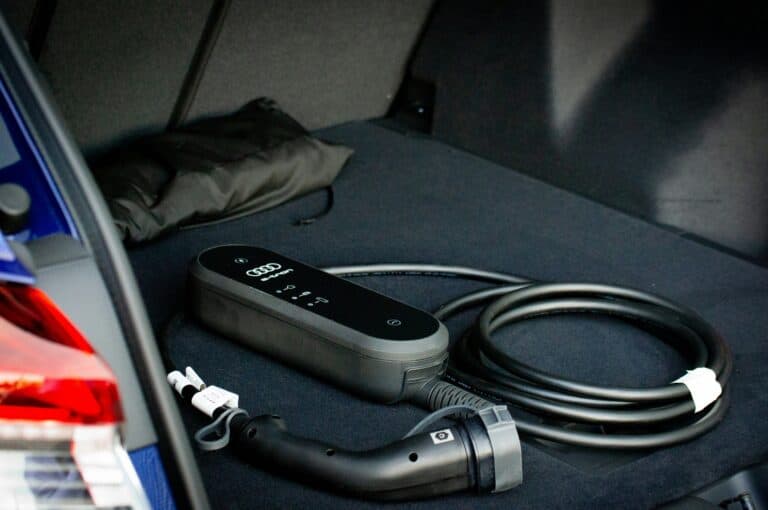
A fuse rated far above the wire it protects will not blow before the wire overheats. Size protection to the cable and load, not to the largest fuse that fits. The same breaker logic applies to vehicle charging, and a portable 240V EV charger runs off a dryer style outlet.
Ignoring Lithium Requirements
Lithium banks can deliver very high fault current that ordinary fuses may not handle. Use a Class T or correctly rated fuse, and consult an electrician if unsure.
Decision Matrix
Prices shift often, so confirm current cost before buying. This matrix maps common builds to the protection that fits.
| Your build | Terminal fuse | DC breaker | Class T fuse |
|---|---|---|---|
| Small portable kit | Workable | Workable | Skip |
| Lithium battery bank | Workable | Workable | Best fit |
| Serviceable cabin system | Workable | Best fit | Workable |
| Battery terminal guard | Best fit | Skip | Workable |
Frequently Asked Questions
What are the best solar fuses and circuit breakers?
For battery-terminal protection, the Blue Sea MRBF fuse block is a trusted default, and for resettable DC protection, MidNite MNEPV breakers lead. Lithium banks often add a Class T fuse on the main line. The right mix depends on your battery type and layout. Sizing is the harder half, and our note on what size fuse you need covers protecting the wire.
Do I really need fuses on a solar system?
Yes. Overcurrent protection prevents a short or overload from overheating wires and starting a fire. Every battery line and main circuit should be protected and sized to the wire.
What is the difference between a fuse and a circuit breaker?
A fuse breaks a fault once and must be replaced, while a breaker resets and doubles as a disconnect switch. Fuses are simple and cheap, breakers are serviceable. Many systems use both at different points.
Why do solar systems need DC-rated protection?
Solar runs on direct current, and an AC-only device may not interrupt a DC fault safely. DC-rated fuses and breakers are built to break that arc. Always confirm the DC rating.
What size fuse do I need for my solar system?
Size the fuse to protect the wire and suit the load on that circuit, not to the largest that fits. Too high a rating fails to protect, too low nuisance-trips. Follow code and consult an electrician when unsure.
Why do lithium batteries need a Class T fuse?
Lithium packs can deliver very high fault current quickly, which ordinary fuses may not interrupt safely. A Class T fuse is rated for that high interrupt capacity. Many lithium builds treat it as essential on the main line.
Where should fuses and breakers go in my system?
Protect the battery line, the main inverter run, and the PV circuits, each sized to its segment. A combiner box centralizes PV-side protection. Plan these points before wiring.
Where can I learn more about solar safety and installation?
The NREL and the DOE Solar Energy Technologies Office publish guidance on solar systems and safe installation.
Recommended Reading
- Best Solar Panel Kits
- How Solar Panels Charge Batteries
- How Many Watt Hours Do You Need
- Best Solar Disconnect Switches
- solar transfer switches
Protection and bonding are specified together by an electrician. Grounding hardware and what the ratings mean covers the other side.