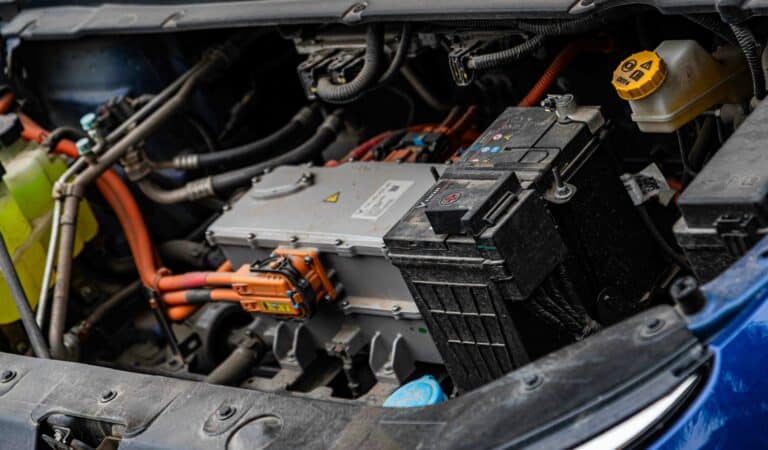

A 200Ah LiFePO4 battery doubles the storage of a common 100Ah unit, making it a workhorse for RVs, cabins, and off-grid systems that need real capacity. The best 200Ah LiFePO4 batteries pair a large usable capacity with a strong battery management system and features like Bluetooth monitoring or cold-weather protection. This guide compares the top configurations, from 12V to 24V and self-heating models. It anchors a serious battery bank alongside your panels and inverter, and the six picks below cover every high-capacity build.
Quick Verdict
A 200Ah 12V LiFePO4 battery is the best all-around choice for high-capacity storage in RVs and off-grid setups, offering roughly 2.5 kilowatt-hours in a single unit. Look for a robust battery management system, and prioritize Bluetooth monitoring, low-temperature protection, or higher continuous output based on your needs. LiFePO4 delivers long life and deep usable capacity.
Key Takeaways
- A 200Ah battery stores about double a 100Ah unit, cutting the number of batteries a large system needs.
- LiFePO4 chemistry provides long cycle life and a deep usable capacity compared with lead-acid.
- A strong built-in battery management system is essential to protect a large, high-current battery.
- Match the voltage to your system and confirm the battery’s continuous output supports your inverter and loads.
How We Picked the Best 200Ah LiFePO4 Batteries
We compared 200Ah batteries on capacity and usable depth, battery management quality, output capability, and features. Capacity and a reliable management system led, since a large battery must handle high currents safely. We valued adequate continuous output for demanding inverters, useful additions like Bluetooth monitoring and cold-weather protection, and solid warranties. The picks span voltages and specialties for different high-capacity builds.
1. 200Ah 12V LiFePO4 Battery
Why It Stands Out
A 200Ah 12V LiFePO4 battery is the best all-around pick. It delivers roughly 2.5 kilowatt-hours in a single 12V unit, ideal for RVs, vans, and off-grid systems built around 12V, with LiFePO4 longevity and a built-in management system. For high capacity in the most common voltage, it is the default choice.
Worth Knowing
A 200Ah 12V battery is heavy, so plan mounting and placement. Confirm its continuous discharge rating supports your inverter’s peak draw.
Buy it if you want high capacity in a 12V system. Skip it if your system runs at 24V or 48V.
2. 200Ah 24V LiFePO4 Battery
Why It Stands Out
A 200Ah 24V LiFePO4 battery is the best pick for higher-voltage systems. At 24V it stores even more energy per unit than a 12V equivalent while drawing less current for the same power, suiting larger cabins and off-grid builds. For mid-to-large systems running at 24V, it is a powerful single-unit option.
Worth Knowing
Your charge controller and inverter must be rated for 24V to use it. As with any large battery, verify placement and weight support.
Buy it if you run a 24V system and need capacity. Skip it if your system is 12V.
3. 200Ah Battery with Bluetooth Monitoring
Why It Stands Out
A 200Ah battery with Bluetooth monitoring is the best pick for keeping tabs on a large bank. An app connection shows state of charge, voltage, and health, which is especially valuable when a single unit holds so much energy. For managing a big battery without a separate monitor, built-in Bluetooth is handy.
Worth Knowing
App quality varies by brand, so check reviews. Bluetooth range is short, so a wired shunt monitor may still suit a permanent installation better.
Buy it if you want app monitoring on a large battery. Skip it if you use a dedicated system monitor.
4. 200Ah Self-Heating Battery
Why It Stands Out
A 200Ah self-heating LiFePO4 battery is the best pick for cold climates. Since LiFePO4 cells should not charge below freezing, built-in heating keeps a large, valuable bank charging safely through winter, protecting your investment. For cabins and cold regions, self-heating prevents cold-charge damage.
Worth Knowing
The heater draws some energy to warm the cells, a reasonable trade in the cold. Confirm the temperature thresholds match your climate’s low points.
Buy it if your battery faces freezing temperatures. Skip it if it stays in a heated space.
5. 200Ah High-Output Battery
Why It Stands Out
A 200Ah battery with high continuous output is the best pick for demanding loads. A management system rated for higher continuous and surge current supports large inverters running power-hungry appliances, so the battery can actually deliver the power your system draws. For heavy loads, output capability matters as much as capacity.
Worth Knowing
Check the continuous and peak amp ratings against your inverter’s requirements. Higher-output models may cost more, reflecting the beefier management system.
Buy it if you run large inverters and heavy appliances. Skip it if your loads are modest.
6. Budget 200Ah LiFePO4 Battery
Why It Stands Out
An affordable 200Ah LiFePO4 battery is the best value pick. It brings high capacity and LiFePO4 longevity to a large build at a lower price, making serious storage more attainable. For cost-conscious off-grid and RV systems, a value 200Ah battery stretches the budget while covering the essentials.
Worth Knowing
Budget models may have simpler management systems, lower output ratings, or shorter warranties. Verify the continuous discharge rating and cycle life so the savings do not cost you performance.
Buy it if you want high capacity affordably. Skip it if you need premium output and features.
200Ah LiFePO4 Batteries at a Glance
| If you want this | Reach for | Why |
|---|---|---|
| The common high-capacity unit | 200Ah 12V | About 2.5 kWh for 12V systems |
| Higher-voltage capacity | 200Ah 24V | More energy, lower current |
| App monitoring | Bluetooth Battery | Track a large bank by phone |
| Cold-climate charging | Self-Heating | Safe charging below freezing |
| Demanding loads | High-Output | Supports big inverters |
| The best value | Budget 200Ah | High capacity, lower price |
How to Choose a 200Ah LiFePO4 Battery
Confirm Voltage and Compatibility
Choose the voltage, most often 12V or 24V, to match your charge controller and inverter, since the system must be consistent. If you are deciding between banks, compare stacking several 100Ah batteries against fewer 200Ah units for your layout and budget.
Check Continuous Output
Capacity is how much energy the battery holds, but continuous output is how much power it can deliver at once, and both matter. Verify the continuous and surge amp ratings support your inverter and heaviest loads so the battery can actually run them.
Size the Bank to Your Needs
Add up your daily energy use and desired backup days to decide how many 200Ah units you need. Our guide on how many watt-hours you need helps you size storage without over- or under-buying.
Plan for Cold and Monitoring
In cold climates, choose a self-heating model or protect the bank from freezing charging, and add a battery monitor to track state of charge on such a large capacity. See solar batteries in cold weather for climate considerations.
Common 200Ah Battery Mistakes to Avoid
Ignoring Continuous Output
A high-capacity battery that cannot deliver enough continuous current will struggle with big inverters and heavy appliances. Match the battery’s continuous and surge ratings to your loads, since capacity alone does not guarantee the battery can power everything at once.
Mismatching System Voltage
Buying a 24V battery for a 12V system, or vice versa, means it will not work with your equipment. Confirm the voltage matches your charge controller and inverter before purchasing such a large, expensive battery.
Overlooking Weight and Placement
A 200Ah battery is heavy, and improper mounting can be unsafe, especially in a moving RV. Plan a secure, ventilated location that supports the weight before installing, and account for it in vehicle weight limits.
Charging Cold Without Protection
Charging LiFePO4 cells below freezing can permanently damage them, and a large 200Ah bank is a costly thing to ruin. Use a self-heating model or keep the battery above freezing when charging in cold weather.
Recommended Reading
- 100Ah LiFePO4 batteries
- 12V solar batteries
- LiFePO4 vs lead-acid
- charge controllers
- server-rack batteries
- higher-capacity 300Ah batteries
- choosing a solar battery
Frequently Asked Questions
How much energy does a 200Ah LiFePO4 battery store?
A 200Ah 12V LiFePO4 battery stores roughly 2.5 kilowatt-hours, and because LiFePO4 allows deep discharge, most of that is usable. A 24V 200Ah battery stores about double that in watt-hours, so the actual energy depends on both the amp-hours and the voltage.
Is one 200Ah battery better than two 100Ah batteries?
Both can reach the same capacity, so it comes down to layout, wiring, and cost. A single 200Ah unit means fewer connections and a tidier install, while two 100Ah units offer flexibility and redundancy. Choose based on your space, budget, and preference.
What can a 200Ah battery power?
With enough continuous output and a suitable inverter, a 200Ah battery can run lights, a fridge, electronics, and small appliances for hours, depending on their draw. The runtime depends on your loads, so calculate watt-hours to estimate how long it will last for your setup.
Do I need 12V or 24V for a 200Ah battery?
Match the voltage to your system: 12V is common in RVs and vans, while 24V suits larger cabins and off-grid builds and draws less current for the same power. Your charge controller and inverter must be rated for whichever voltage you choose.
Can a 200Ah LiFePO4 battery handle cold weather?
It can operate in the cold, but LiFePO4 cells should not be charged below freezing. In cold climates, choose a self-heating model or keep the battery in a warm space, so charging stays safe and the cells are not damaged.
How long will a 200Ah LiFePO4 battery last?
Quality LiFePO4 batteries are rated for thousands of cycles, often meaning many years of service with proper use. Sizing the bank correctly, avoiding extreme over-discharge, and protecting it from cold charging all help it reach its full rated lifespan.
What continuous output should I look for?
Match the battery’s continuous amp rating to your inverter and heaviest loads, since a large inverter can demand high current. Check both the continuous and surge ratings, and choose a high-output model if you run power-hungry appliances.
Can I connect multiple 200Ah batteries?
Yes, many 200Ah batteries can be connected in parallel to increase capacity or in series to raise voltage, within the manufacturer’s limits. Use matched units of the same age and capacity, and follow the maker’s guidance on how many you can safely combine.