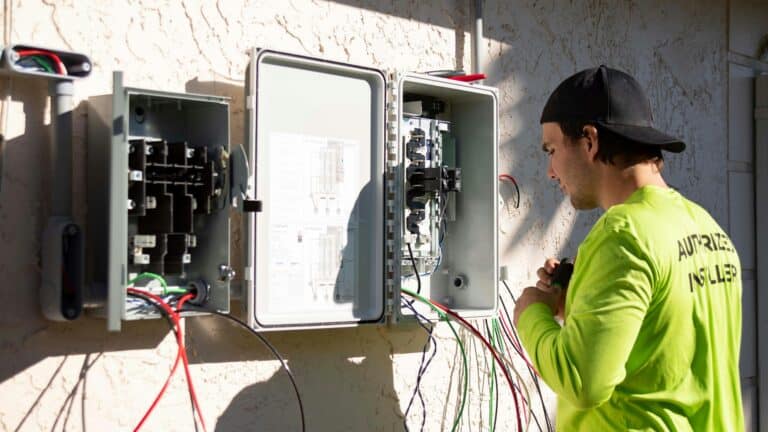

Plenty of DIY builders assume a combiner box is only for big rooftop arrays. A solar combiner box earns its place the moment you wire more than a couple of panels in parallel, since it centralizes the connections and the fusing in one safe enclosure. The right one depends on how many strings you run and whether you want built-in surge protection. For a related component, see our guide to busbars for your battery bank wiring.
Quick verdict: For most home and cabin arrays, the Renogy Solar Combiner Box balances quality and price. For larger or more demanding systems, the MidNite Solar MNPV is the serious builder’s pick.
How We Picked the Best Solar Combiner Boxes
We weighed string capacity, build quality, weather sealing, and whether fusing and surge protection come built in. A combiner box gathers several panel strings into one output, so its job is to keep those connections safe and organized.
We covered boxes from small two-string units to larger multi-string enclosures, plus options with lightning arresters. Each suits a different array size and risk profile.
We also checked how easy each box is to wire and seal, since a cramped enclosure invites mistakes. A box you can work in cleanly stays safer over the years.
We favored sealed, outdoor-rated boxes with clear room to wire and service. A cramped or poorly sealed box invites moisture and loose connections. Our guide to solar connectors and cables covers the wiring that feeds these boxes.
A combiner box sits between the array and the controller, so it ties directly to that wiring. Getting the cable side right makes the box side simpler.
1. Renogy Solar Combiner Box
Why It Stands Out
The Renogy combiner box arrives with breakers and a tidy layout ready for a typical home array. It balances quality, capacity, and price for the common builder. For most setups, it is the sensible default.
Worth Knowing
Its string capacity suits small to mid-size arrays rather than large commercial ones. Confirm the included breaker ratings match your panels. Larger systems may outgrow it over time.
This fits a home or cabin builder combining several strings into one controller feed. Skip it if your array is very large or you need many strings. A rooftop array of several panels feeding a single charge controller is the classic use case.
The breakers inside also give you a clean way to isolate one string for testing. That makes troubleshooting a dead panel far simpler later.
2. MidNite Solar MNPV Combiner Box
Why It Stands Out
The MNPV line is a respected choice for serious off-grid and larger arrays. It offers strong build quality and flexible breaker configurations. For a system you want to do right, it is the premium pick.
Worth Knowing
You often add the breakers separately, sized to your strings. The price sits above budget boxes. The flexibility rewards a builder who knows their string layout.
This fits a builder running a larger array who wants quality and room to configure. Skip it for a tiny two-panel setup, where a smaller box is plenty. An off-grid cabin scaling up its array over time is exactly where the MNPV pays off.
Buying once for a system you plan to grow saves replacing a smaller box later. The configurable breakers let the box keep pace as you add strings.
3. ECO-WORTHY Solar Combiner Box
Why It Stands Out
The ECO-WORTHY box targets the budget end while still combining several strings. It includes basic breakers and a sealed enclosure. For a first combiner on a tight budget, it gets the job done.
Worth Knowing
Budget construction means checking the seals and connections carefully. Capacity suits smaller arrays. Inspect and tighten everything on install rather than trusting it blind.
This fits a cost-conscious builder combining a few panels for the first time. Skip it if you want premium build or many strings. A starter off-grid setup where keeping cost down matters is the right fit.
Pair it with quality mounting kits so the savings do not come at the cost of a loose array. A solid mount and a sealed box together keep a budget build reliable.
Recommended read: Centralize your protection with our guide to solar fuses and circuit breakers, then feed it into a quality charge controller.
4. BougeRV PV Combiner Box
Why It Stands Out
BougeRV offers a multi-string combiner box at a friendly mid-range price. It handles more strings than entry boxes while staying affordable. For a growing array, it adds capacity without a premium jump.
Worth Knowing
Match the string count and breaker ratings to your panels. The mid-tier build is solid but worth a careful install check. It sits between budget and premium on features.
This fits a builder expanding past a couple of panels who wants room to grow. Skip it if a two-string box already covers you. A cabin array growing from a few panels to several strings is the natural home for it.
The extra inputs mean you wire each string to its own breaker cleanly. That keeps the box tidy and each panel individually protected.
5. Combiner Box with Lightning Arrester
Why It Stands Out
This style adds surge and lightning protection to the combining job. For arrays in storm-prone or exposed areas, that extra defense matters. It guards downstream gear from spikes that travel in on the wiring.
Worth Knowing
Surge protection complements, but does not replace, a proper ground. Confirm the arrester suits your system voltage. Grounding still needs doing correctly alongside it.
This fits a builder in a lightning-prone region who wants added surge defense. Skip it if you are in a low-risk area and want to save cost. A rural off-grid site exposed to summer storms is exactly where the arrester earns its keep.
A nearby strike rarely hits the panels directly, but a surge can travel in on the wiring. The arrester gives that spike somewhere to go before it reaches your inverter and battery.
6. Compact Two-String Combiner Box
Why It Stands Out
A small two-string box keeps things simple for a modest parallel setup. It combines a pair of strings cleanly without a large enclosure. For a compact build, it avoids overkill.
Worth Knowing
Two-string capacity limits future expansion. It suits a fixed small array rather than a growing one. Confirm it has the fusing your setup needs.
This fits a builder with a small, fixed parallel array who wants tidy combining. Skip it if you plan to expand soon. A small shed or tiny-home array with two panel strings is the perfect match.
It keeps a modest build from sprawling into a box far bigger than it needs. Simple and right-sized beats oversized and half-empty.
How to Choose a Solar Combiner Box
A few decisions point you to the right box. Work through these before buying.
Count Your Strings
Match the box to the number of panel strings you run, with room to spare. A box with too few inputs forces awkward workarounds. Buy a little headroom if you expect to expand.
Check Fusing and Breakers
Confirm whether breakers are included and rated for your panels, or sold separately. The combiner is where string-level protection lives. Size each breaker to its string, not to the largest available.
Weather Rating
Outdoor boxes need a sealed, UV-rated enclosure that keeps moisture out. A poorly sealed box invites corrosion and loose contacts. Mount it where rain cannot pool around the entries, and face the openings downward where you can.
Water that cannot collect cannot work its way inside. A downward-facing gland is a small detail that prevents a slow, hidden problem.
Surge Protection
In storm-prone areas, a box with a lightning arrester adds a layer of defense. It protects downstream gear from spikes on the wiring. Pair it with proper grounding for full effect.
Room to Wire
A roomy box is far easier to wire and service than a cramped one. Tidy terminations reduce the chance of a loose, hot contact. Give yourself space to work and inspect later.
A roomy box also leaves headroom to add a string or two without a rebuild. That small bit of foresight saves a future afternoon.
Combiner Box vs Branch Connectors
Both join panels in parallel, but they suit different scales. Here is the quick split.
Branch Connectors
Y-branch connectors combine two or three panels cheaply and simply. They suit small portable or fixed setups. The limit is no central fusing or expansion room.
Combiner Box
A combiner box centralizes more strings with fusing and a tidy enclosure. It scales and protects in a way branch connectors cannot. The cost is a larger, pricier piece of hardware.
The rule of thumb is simple enough. Two or three panels can use branch connectors, while four or more strings point toward a combiner box.
Common Combiner Box Mistakes to Avoid
A few errors undercut an otherwise solid install. Watch for these.
Oversizing the Breakers
Breakers rated far above the string they protect defeat the purpose. Size each one to its string so it trips before the wire overheats.
Skipping the Weather Seal
Leaving entries unsealed lets moisture in and corrodes connections. Use proper glands and mount the box so water cannot pool at the openings.
Ignoring Grounding
A combiner box and surge arrester still need a proper ground to do their job. Ground the system correctly rather than relying on the box alone.
Grounding ties the whole array to a safe path for fault current and surges. Skipping it leaves even a well-fused box exposed.
Decision Matrix
Prices shift often, so confirm current cost before buying. This matrix maps common arrays to the box that fits.
| Your array | Two-string box | Renogy mid-size | MidNite MNPV |
|---|---|---|---|
| Small fixed array | Best fit | Workable | Skip |
| Home or cabin array | Workable | Best fit | Workable |
| Large or growing array | Skip | Workable | Best fit |
| Storm-prone site | Workable | Workable | Best fit |
Frequently Asked Questions
What is the best solar combiner box?
For most home and cabin arrays, the Renogy combiner box balances quality and price, while the MidNite MNPV suits larger or growing systems. The right pick depends on your string count and whether you want surge protection. Match the box to your array size.
What does a solar combiner box do?
It gathers several panel strings into one output while housing the string-level fuses or breakers. That centralizes protection and tidies the wiring. It makes a multi-string array safer and easier to service.
Do I need a combiner box for my solar array?
You need one once you wire several strings in parallel and want central fusing. For just two or three panels, branch connectors may suffice. Larger arrays benefit clearly from a combiner box.
The jump usually happens around four strings, where loose connectors get unwieldy. A box turns that tangle into a few clean, fused terminations.
Combiner box or branch connectors?
Branch connectors are cheaper and simpler for two or three panels, while a combiner box scales with fusing and a sealed enclosure. Choose connectors for small setups and a box for larger or growing arrays. Both join panels in parallel. Enclosures carrying PV conductors need marking, and our labeling picks cover it.
Does a combiner box include breakers?
Some include breakers while others expect you to add them sized to your strings. Always confirm what is included and that the ratings match your panels. The combiner is where string protection should live.
Do I need surge protection in my combiner box?
In storm-prone or exposed areas, a box with a lightning arrester adds useful defense for downstream gear. It complements, but does not replace, proper grounding. Low-risk sites may not need it.
Where should a combiner box be mounted?
Mount it in a sheltered, accessible spot where rain cannot pool at the cable entries. Seal the entries with proper glands and ground the box correctly. Leave room to wire and inspect.
Where can I learn more about solar array wiring?
The NREL and the DOE Solar Energy Technologies Office publish guidance on solar systems and installation.
Recommended Reading