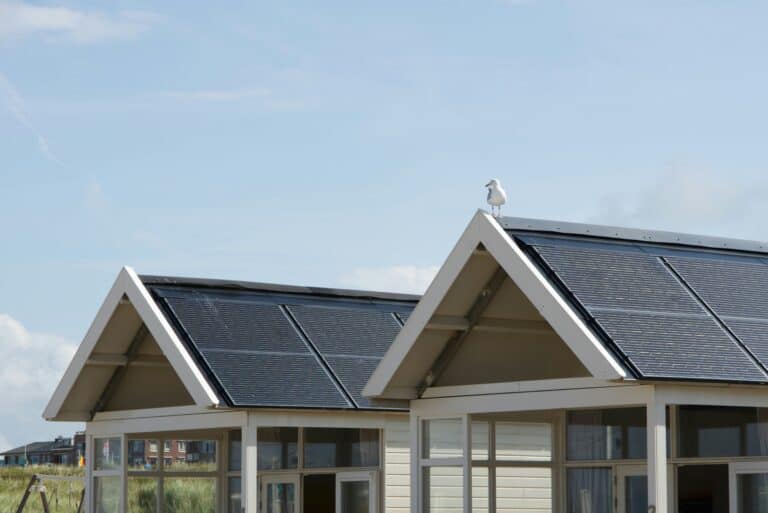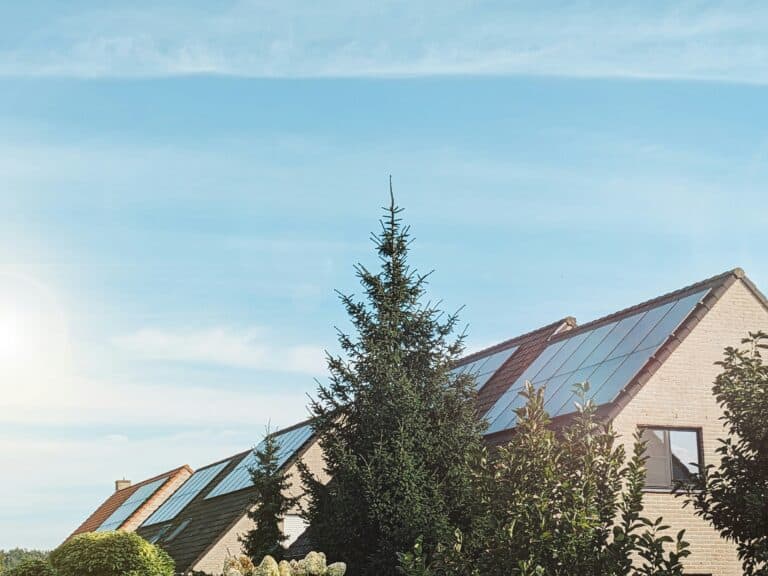
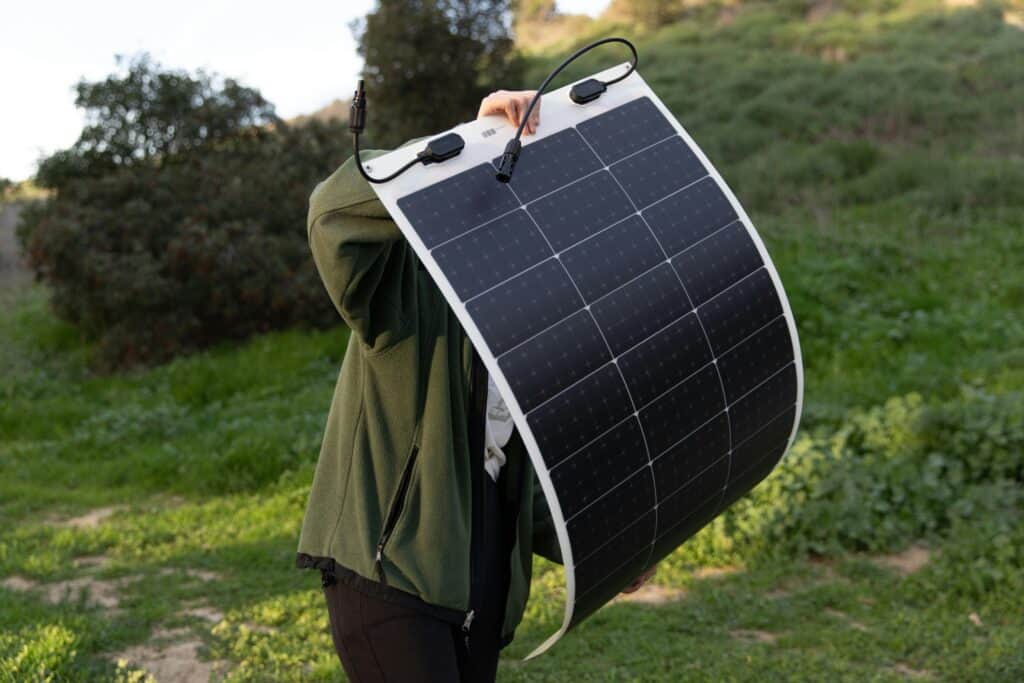
Rigid framed panels win nearly every install, and flexible panels belong only where the surface cannot carry a frame. The flexible vs rigid solar panels choice is a mounting problem, not a power problem.
Flexible panels trade glass and aluminum for a bending laminate. That buys shape and weight, and costs durability and cooling. Start from the surface when picking panels for a build.
Quick Verdict
Pick rigid framed panels for flat roofs, ground mounts, and decks that carry hardware. Pick flexible panels for curved van roofs, boat decks, tents, and packs. Flexible wins on shape and weight, while rigid wins on lifespan, cooling, cost, and replacement.
Key Takeaways
- Flexible panels solve a mounting problem, not a power problem.
- Glass and a frame are why rigid panels last.
- Heat drives most flexible panel disappointment.
- Bonding a panel flat traps that heat.
How We Compared
Six things decide this: service life, weight, shape, running temperature, cost per watt, and replacement. Cell type sits outside it, so what panel efficiency measures rarely separates them.
Flexible vs Rigid Solar Panels At a Glance
| Criterion | Flexible | Rigid framed |
|---|---|---|
| Weight | Very light | Heavy |
| Shape | Curves, odd decks | Flat only |
| Protection | Polymer laminate | Glass and frame |
| Cooling | Poor when bonded | Good, air gap |
| Service life | Shorter | Much longer |
| Replacement | Hard if glued | Unbolt and lift |
Flexible Panels, Pros and Cons
PROS:
- Bends to follow curves
- Weighs far less
- Sits nearly flush
- Mounts where brackets cannot
CONS:
- Laminate degrades under sun
- Runs hot when bonded
- Hard to remove cleanly
- Shorter life per dollar
Best for: curved van roofs, boat decks, tents, and surfaces that cannot carry a frame. Skip it on flat, open roofs.
Rigid Framed Panels, Pros and Cons
PROS:
- Glass and frame shield cells
- Air gap sheds heat
- Bolts out in minutes
- Lower cost per watt
CONS:
- Heavy on thin roofs
- Needs a flat plane
- Brackets add height and noise
- Mounting means drilling and sealing
Best for: house roofs, ground mounts, and flat RV roofs with structure below. Skip it where the surface curves.
Which Type Lasts Longer?
Rigid framed panels last longer, by a wide margin. The reason is simple physical protection. Tempered glass and an aluminum perimeter shield the cells and hold the laminate flat.
A flexible panel has neither. Its cells sit under a thin polymer skin that faces the sky. Sunlight clouds and embrittles that skin, and nothing above it stops grit.
Flexing opens a second failure path that glass never faces. Every bend stresses the cell interconnects and the edge seal. Moisture then reaches those cracks, corrosion follows, and output slides year after year.
Bonded panels fare worse, since they cannot expand and contract freely against the deck. Rigid panels also shrug off maintenance traffic, which matters if you have wondered whether panels handle foot traffic. Winner: rigid, and the gap is not close.
Which Weighs Less and Mounts Flatter?
Flexible panels win this one outright, and by a lot. Strip away the glass and the aluminum frame and most of the mass disappears. What remains is cells, backing, and laminate.
That difference decides what some roofs can hold. A pop-top camper lid, a fiberglass boat deck, or a light truck cap may have a firm load ceiling. Anyone checking how much weight panels add to a roof often finds flexible is the only format that fits.
Profile matters too. A framed panel rides on brackets and stands proud of the surface. That raises wind noise, catches branches, and adds drag on a tall vehicle.
A flexible panel lies almost flush against the deck. It stays quiet at speed and nearly invisible from the ground. Winner: flexible, on weight and on profile.
Which Runs Cooler?
Rigid framed panels run cooler, and heat is the mechanism behind most flexible panel disappointment. Brackets hold a framed panel above the roof. Air moves through that gap and carries heat away all day.
A flexible panel glued flat has no gap at all. The heat it makes has nowhere to go but into the surface below. Cells lose output as they warm, so a hot panel quietly gives back power it collected.
Heat compounds the durability problem as well. Warm laminate ages faster and pushes harder against its edge seal. Grommets or standoffs help, since they leave a small air channel underneath.
Interior airflow helps too. That is why roof vent fans that pull hot air out pair well with any rooftop array. Winner: rigid, and the margin grows in hot weather.
Which Suits a Curved or Weight-Limited Surface?
Flexible panels win here, and this is the only reason most buyers should pick them. A framed panel demands a flat plane. Force one onto a curve and the frame twists while the mounting feet stop sitting true.
A flexible panel simply follows the shape. Curved van roofs, cabin tops, arched trailer skins, tents, and packs all fall into that group. So does any surface with a load limit a frame would blow past.
The honest framing here stays narrow, and it matters. Flexible panels do not make more power or reach further into cloudy weather. They make power possible where a rigid panel cannot go at all.
For those builds, a shortlist of flexible panels made for curved roofs is the right place to start looking. Winner: flexible, without argument.
Which Costs Less Per Watt Over the Life of the Install?
Rigid framed panels cost less per watt across the life of the install. Sticker price is only one input among several. The number that matters is what the array costs to keep working.
Rigid panels stay in service far longer, so their cost spreads across many more seasons. Flexible panels reach the end of their useful life sooner and need replacing. A second or third replacement erases any savings from the first purchase, and then some.
Installation cuts the other way slightly. Rigid arrays need rails, feet, and clamps, and good mounting kits for framed panels add real cost up front.
That rail hardware outlives several panels though, which softens the gap. It also transfers straight to the next array without extra spend. Winner: rigid, once the whole ownership window is counted.
Which Is Easier to Replace When One Fails?
Rigid framed panels win on replacement, and the difference is larger than most buyers expect. A framed panel is held by bolts and clamps. Loosen the clamps, pull two leads, lift it out, and drop the new one into the same rails.
A bonded flexible panel is a completely different job. The adhesive holding it down is meant never to let go. Removal usually means cutting, prying, and scraping at the back of the panel.
The gel coat or roof membrane underneath often gets damaged in the process. That surface then needs sealing and refinishing before a replacement panel can go on, which adds cost and time.
Grommet-mounted flexible panels avoid most of that pain, because the fixings release cleanly. That is one more argument against full adhesive bonding. Winner: rigid, clearly.
Which Fits Your Situation
| If this is you | Better choice |
|---|---|
| Flat, strong RV roof | Rigid framed |
| Curved van or camper roof | Flexible |
| Fiberglass boat deck | Flexible |
| House roof or ground mount | Rigid framed |
| Strict roof weight limit | Flexible |
How to Choose Between Them
Start with the surface, because it decides. Lay a straightedge across the mounting area. A flat, load-bearing plane points at rigid framed panels.
Curves, load limits, or no drilling point to flexible. Favor grommets over full bonding.
Shading matters more than format, so read how panels behave in cloud and shade before sizing.
The Verdict
Rigid framed panels win service life, cooling, replacement, and cost per watt. Flexible panels win shape and weight, and nothing else.
A flat, sturdy surface means rigid panels. A curve, fabric roof, or tight weight ceiling means flexible, with an air gap beneath.
Recommended Reading
Next, compare rooftop picks for RVs, weigh folding panels for campsite power, and settle cells with the two main silicon types.
Common Misconceptions
Flexible panels make less power than rigid panels
The cells inside are often similar. Output gaps come from heat and mounting angle.
Semi-flexible and fully flexible mean the same thing
They do not. Semi-flexible panels bend across a gentle arc, then stop. Fully flexible panels roll up.
Adhesive mounting is the simplest option
Gluing down is fast on day one and painful later. Full bonding traps heat and makes removal destructive.
Flexible vs Rigid Solar Panels FAQ
What is the real difference between flexible vs rigid solar panels?
The difference is packaging, not power. A rigid panel seals its cells under glass inside an aluminum frame, while a flexible panel seals similar cells under a thin bending laminate. Packaging then drives lifespan, cooling, cost, and how hard replacement becomes.
Do flexible panels work well on a curved van roof?
Yes, and that is their strongest use. A flexible panel follows a gentle arc without stressing its edges, while a framed panel would twist and sit unevenly. Mount it on thin battens or standoffs, so air can still pull heat away.
Why do flexible solar panels get so hot?
A panel bonded straight to a roof has no air gap beneath it. Framed panels sit on brackets, so breeze passes underneath and carries heat off. Without that path, heat builds in the laminate, and hot cells make less power.
Can a flexible panel be walked on?
Treat that as a no. The laminate scratches easily, and cells crack when they flex under a point load. Even panels sold as walkable pick up hidden micro-cracks over time, so route foot traffic around the array and step on structure instead.
Is adhesive or grommet mounting better for a flexible panel?
Grommets or standoffs win in almost every case here. They leave an air channel that keeps the panel cooler, and they let it expand freely without stressing the seal. They also make removal possible later without wrecking the deck underneath.
Which panel type suits a boat deck?
Flexible panels usually win here. Deck space curves, hardware crowds it, and crew need to move freely, so a low profile matters. Weight carried high on a vessel is worth avoiding, so mount on standoffs wherever the deck layout allows it.
Does a rigid panel add too much weight for an RV roof?
Most framed RV roofs handle rigid panels without trouble. The concern applies to pop-top campers, fiberglass caps, and older builds with thin skins. Check the roof load rating first, and if the numbers look tight, flexible removes the weight question entirely.