
The best portable power station under $500 for most people is the Jackery Explorer 1000 v2, which packs a 1,070Wh LiFePO4 battery and 1,500W output at the top of this price range. The best portable power stations under $500 combine a long-lasting lithium iron phosphate battery, enough output to run real appliances, and fast solar or wall charging. That budget now buys genuine multi-day capability rather than a token backup.
Output and capacity are the two numbers that matter. Output, in watts, decides what you can run at once; capacity, in watt-hours, decides how long. Before buying, it helps to read our guide on how many watt-hours you need so you size the unit to your actual loads instead of guessing.
Quick Verdict
The Jackery Explorer 1000 v2 is the best all-around pick, with 1,070Wh and 1,500W for outages and camping. The EcoFlow River 2 Pro is the value champion at 768Wh with very fast charging. Need maximum output for power tools? The Anker Solix C1000 pushes 1,800W and a long warranty.
Why Trust This Guide
Independent picks, reader-supported through affiliate links at no cost to you. Selections draw on product specifications, independent capacity testing, and the battery-chemistry guidance cited in Sources. Arizona heat shapes our notes on where batteries live, but all product assessments are research-based.
Key Takeaways
- Watts (output) decide what you can run at once; watt-hours (capacity) decide for how long.
- LiFePO4 batteries last far longer than older lithium-ion and tolerate heat better, which matters in hot climates.
- Most sub-$500 units accept 200W or more of solar, so a portable panel adds off-grid recharging.
- For CPAP or medical backup, size for the full overnight load and confirm a pure sine wave output.
- Check usable watt-hours, not just the rated number, since inverter overhead reduces real runtime.
How We Picked the Best Power Stations Under $500
We ranked picks on usable capacity, output, charging speed, and battery chemistry. Usable capacity came first, because independent testing repeatedly shows real runtime falls below the rated watt-hours once inverter overhead is counted. We verified each unit’s rated output against the appliances buyers actually run, from a fridge to a CPAP.
We strongly favored LiFePO4 chemistry. Lithium iron phosphate cells deliver several thousand charge cycles and tolerate heat better than the older NMC lithium-ion packs, which typically last around 500 cycles, so an LFP unit lasts years longer in daily use. In Arizona’s summer heat, that thermal tolerance is a real advantage for anything stored in a garage or vehicle.
1. Jackery Explorer 1000 v2: Best Overall Under $500
The Jackery Explorer 1000 v2 hits the sweet spot of capacity, output, and ease of use near the top of this budget. It carries a 1,070Wh LiFePO4 battery, 1,500W of continuous output with a higher surge, and Jackery’s famously simple display and color-coded charging.
Why It Stands Out
That 1,070Wh and 1,500W combination runs a refrigerator through a long outage, powers a campsite for days, or handles most household devices at once. The interface is the clearest in the category, and the LiFePO4 pack is rated for many years of cycles. It is the unit most people should buy.
Worth Knowing
It is heavier and bulkier than smaller picks, and it sits at the ceiling of the under-$500 range, so watch for sales. Solar input tops out lower than the Anker, so full solar recharges take longer.
Get the Explorer 1000 v2 if you want real multi-day backup with the simplest controls. Skip it if you need something light and pocketable.
2. EcoFlow River 2 Pro: Best Value
The EcoFlow River 2 Pro delivers the best balance of capacity, output, and price under $500. It offers 768Wh of LiFePO4 capacity, 800W of continuous output, and famously fast charging that refills the battery in about an hour. That blend makes it the value standout.
Why It Stands Out
The 768Wh capacity lands between common 500Wh and 1,000Wh units, giving real runtime without the size of a flagship. The rapid wall charging is genuinely useful before a storm, and the EcoFlow app adds control. It powers most camp and emergency loads with room to spare.
Worth Knowing
The 800W output cannot run high-draw tools or large appliances that a 1,500W unit handles. The extended handle wastes a little packing space.
Choose the River 2 Pro if you want the most capability per dollar. Skip it if you need to run power tools or a large fridge plus extras.
3. Anker Solix C1000: Best for Power Tools
The Anker Solix C1000 brings the most muscle to this price tier. It pairs a 1,056Wh LiFePO4 battery with 1,800W of continuous output and accepts up to 600W of solar input, backed by a long warranty. For high-draw devices, it leads the group.
Why It Stands Out
The 1,800W output runs power tools and larger appliances a 1,500W unit struggles with, and the 600W solar input recharges fastest off-grid. Anker’s warranty coverage is among the best here. For a job site or a demanding home backup, it is the strongest pick.
Worth Knowing
The app is functional but less polished than EcoFlow’s, and it often needs a sale to land under $500. It is also heavier than the value picks.
Get the C1000 if you need maximum output and fast solar charging. Skip it if a simpler, lighter unit covers your loads.
4. Bluetti EB70S: Best Mid-Capacity Pick
The Bluetti EB70S bridges budget 300W units and full 1,000Wh stations. It offers about 716Wh of LiFePO4 capacity and 800W of output in a reasonably portable package. For weekend camping and modest backup, it covers the middle ground well.
Why It Stands Out
The 716Wh capacity and 800W output handle phones, lights, a CPAP, and small appliances through a night or a weekend. The LiFePO4 pack ages slowly, and the price usually sits comfortably under budget. It is a sensible step up from tiny units.
Worth Knowing
Charging is slower than the EcoFlow, and the port layout is plainer. It is a solid mid-tier unit rather than a standout in any single area.
Choose the EB70S for affordable mid-capacity backup. Skip it if you want the fastest charging or the highest output.
5. EcoFlow River 3: Best Compact for Camping
The EcoFlow River 3 is the pick for campers who value portability and weather resistance. It is a small, light LiFePO4 unit with a water-resistance rating that most competitors lack. For tent camping near water or dusty trips, that rating earns its keep.
Why It Stands Out
The compact size and low weight make it easy to carry to a campsite, and the water resistance suits the outdoors. It charges quickly and pairs with a portable panel for off-grid top-ups. For light loads on the move, it is ideal.
Worth Knowing
The smaller capacity limits it to phones, lights, fans, and small devices rather than appliances. It is a companion unit, not a whole-house backup.
Get the River 3 for portable, weather-resistant camp power. Skip it if you need to run a fridge or tools.
6. Anker Solix C300: Best Ultra-Portable
The Anker Solix C300 is the grab-and-go pick for keeping devices alive. It is a compact roughly 300Wh unit with a strong set of USB ports, including fast USB-C, in a light, easy-to-carry body. For phones, laptops, and a CPAP on a short trip, it is plenty.
Why It Stands Out
The high-output USB-C ports recharge laptops and phones quickly, and the small size slips into a bag or vehicle. The LiFePO4 pack lasts for years of cycles. As a personal power bank on steroids, it is hard to beat for portability.
Worth Knowing
Some versions trim AC output to stay compact, so confirm it has the outlets you need. It will not run large appliances.
Choose the C300 for ultra-portable device charging. Skip it if you need AC power for appliances.
Power Stations Under $500 at a Glance
| Pick | Capacity | Output | Best for |
|---|---|---|---|
| Jackery Explorer 1000 v2 | 1,070Wh | 1,500W | All-around backup and camping |
| EcoFlow River 2 Pro | 768Wh | 800W | Best value |
| Anker Solix C1000 | 1,056Wh | 1,800W | Power tools, fast solar |
| Bluetti EB70S | 716Wh | 800W | Mid-capacity backup |
| EcoFlow River 3 | Compact | Light loads | Camping, weather-resistant |
| Anker Solix C300 | ~300Wh | USB-focused | Ultra-portable charging |
How to Choose a Power Station Under $500
How Much Output Do I Need?
Add up the wattage of everything you want to run at once and leave headroom. A fridge plus a few devices fits inside 800W, while power tools and large appliances need 1,500W or more. Our guide on how to size a portable power station walks through the math.
How Long Will It Run My Gear?
Divide usable watt-hours by your load in watts for a rough runtime, then trim for inverter overhead. A 1,000Wh unit runs a 100W load for roughly eight to nine real hours. Bigger capacity buys more nights between charges.
Does Battery Chemistry Matter?
Yes, and LiFePO4 is worth prioritizing. It lasts several times longer than older lithium-ion and tolerates heat better, which protects your investment in a hot garage. Every top pick here uses LiFePO4.
Can I Recharge It With Solar?
Most sub-$500 units accept 200W or more of solar input, so a portable panel keeps them topped off-grid. Match the panel wattage to the unit’s input limit. See our picks for solar panels for portable power stations.
Power Station vs Gas Generator Under $500
When a Power Station Wins
A power station runs silently, indoors, with no fumes, which makes it the safe choice for apartments, CPAP backup, and overnight use. It recharges from the wall, car, or solar. The limit is total capacity for very long outages.
When a Generator Still Helps
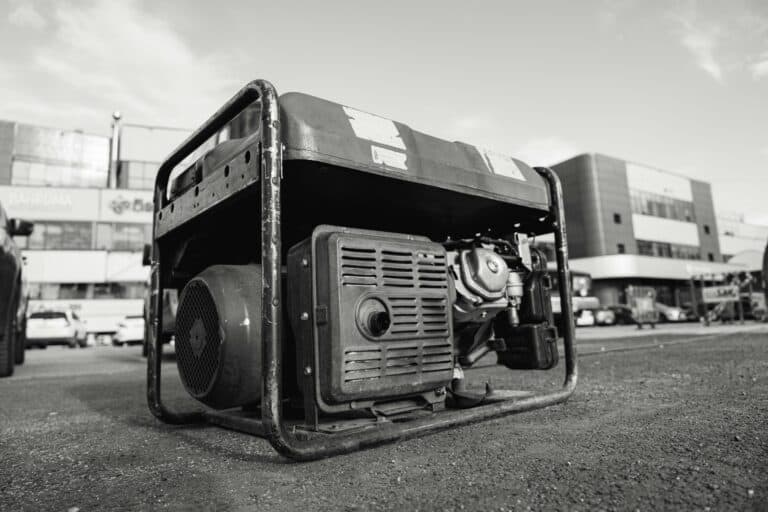
A gas generator produces continuous power as long as you add fuel, so it suits multi-day outages and heavy loads better. The trade-offs are noise, fumes, and outdoor-only operation. Many homes pair both for layered backup.
Common Power Station Mistakes to Avoid
Buying on Rated Watt-Hours Alone
The number on the box is not the runtime you get, because the inverter consumes power. Plan for usable capacity below the rated figure. Sizing with margin avoids a unit that dies before morning.
Undersizing for Medical Devices
A CPAP plus a humidifier can draw more overnight than a small unit holds. Size for the full overnight load and confirm a pure sine wave output for sensitive electronics. For this use, buy bigger than you think you need; our CPAP power station guide covers it.
Ignoring Heat Storage
Leaving a battery in a hot car or attic shortens its life, even with LiFePO4’s better tolerance. Store it in a cool, dry spot. In Arizona summers, that means out of the garage’s worst heat.
Forgetting a Recharge Plan
A power station is only useful if it is charged when the outage hits. Keep it topped up and add a solar panel for off-grid refills. A dead backup helps no one.
Recommended Reading
- Best Portable Power Stations for Power Outages
- Best Portable Power Stations for RV Camping
- Portable Power Station vs Generator
- How to Charge a Power Station With Solar Panels
- Best Solar Power Banks
- larger capacity under $2000
- choosing a portable power station
Portable Power Stations Under $500 FAQ
What can a power station under $500 run?
A roughly 1,000Wh unit can run a refrigerator, lights, phones, and a CPAP through an outage, or power a campsite for days. Output limits which devices run at once, so high-draw tools need a 1,500W or higher model. Match the unit to your specific loads.
How long will a power station run a refrigerator?
A 1,000Wh unit typically runs a modern fridge for roughly 10 to 15 hours, since fridges cycle on and off rather than drawing constantly. Actual runtime depends on the fridge and ambient heat. Adding solar extends it indefinitely in daylight.
Is LiFePO4 worth it in a power station?
Yes. Lithium iron phosphate lasts several times longer than older lithium-ion and handles heat better, which matters for storage in hot climates. Every recommended pick here uses LiFePO4.
Can I run a CPAP off a power station?
Yes, and many units are sized for it, but plan for the full overnight load including any humidifier. Confirm a pure sine wave output for sensitive electronics. Size up so the battery lasts the whole night with margin.
Can I charge a power station with solar?
Most under-$500 units accept 200W or more of solar input, so a portable panel recharges them off-grid. Match the panel to the unit’s input limit. Solar makes the station a renewable backup rather than a one-shot battery.
Power station or generator for outages?
A power station is quieter, fume-free, and safe indoors, which suits most home outages and overnight use. A gas generator runs longer on fuel for multi-day events but must stay outdoors. Many people keep both.