
Portable power stations are sold on one number and chosen badly because of it. Capacity, in watt-hours, tells you how much energy is stored. Output, in watts, tells you what it can run at all. A unit can have plenty of the first and not enough of the second, which is how someone ends up with a large battery that cannot start their refrigerator. Understanding which number does which job is most of the decision.
Key Takeaways
- Watt-hours is how much. Watts is what it can run. Different jobs.
- Surge rating decides whether motors start, not capacity.
- Work backwards from your loads rather than forwards from a budget.
- LiFePO4 lasts far longer in cycles than older lithium chemistries.
- Recharge speed matters more than people expect during an outage.
Related: you expand a portable power station later.
The Two Numbers
Everything else is secondary to getting this distinction straight.
Capacity is watt-hours: a 1,000 watt-hour unit can theoretically deliver 100 watts for ten hours, or 500 watts for two. It is a fuel tank. It says nothing about what the unit can power.
Output is watts: the maximum the inverter can deliver at any moment. A 1,000 watt-hour unit with a 300 watt inverter cannot run a 500 watt appliance at all, regardless of how full it is. That is an engine size, not a fuel tank.
The reason this trips people is that marketing leads with capacity, because it is the bigger, more impressive number. Output is quoted in smaller type and it is the one that decides whether the purchase works at all. Anything quoted in mAh needs converting first, and the mAh to watt hours step covers the voltage that gets skipped.
Both matter and they fail differently. Too little capacity means it runs out. Too little output means it never starts. How many watt-hours you need covers the first, and what a power station can run covers the second.
Surge Is the Third Number Nobody Advertises
The specification that determines whether the thing works for the use case people buy it for.
Anything with a motor or compressor draws a spike on startup, several times its running wattage, for a fraction of a second. A refrigerator that runs at 150 watts might demand 800 for that instant. If the inverter cannot deliver it, the appliance does not start, and the unit will report itself as fine because from its point of view nothing happened.
The frustrating part is that this failure is silent and total. There is no partial version where the fridge runs slowly. It either starts or it does not, and a unit that cannot start it is useless for that job while appearing to work perfectly for everything else.
Surge ratings are usually quoted separately and are often roughly double the continuous rating. That number is what decides refrigerators, pumps, power tools, and anything else with a motor in it.
Whether a power station can run a refrigerator is the case this matters most for, and stations for construction sites covers the tool version of the same problem.
Work Backwards From the Use Case
Because the right unit for one job is wrong for another, and the category spans an enormous range.
Outage backup is about running a few essential things for a while, and that pushes toward capacity and enough output for a fridge. Stations for power outages and preparing for an outage cover that case.
Camping is about weight and recharging from panels, where capacity is secondary to portability. RV and camping stations covers it.
Medical use is a different proposition again, because reliability and quiet run time matter more than headline numbers. Stations for CPAP covers that specifically.
And if the answer is mostly charging phones and laptops, the category may be oversized for the need. Power bank vs power station covers where that line sits.
Chemistry Decides How Long You Keep It
The specification with the longest consequences and the least visibility at the point of sale.
LiFePO4 tolerates far more charge cycles than older lithium-ion chemistries before meaningful degradation, which is why it has become standard in units meant to last. A cheaper chemistry can be the better buy for occasional use and is a poor one for something cycled regularly.
It also behaves better thermally, which matters if the unit lives somewhere hot rather than in a cupboard. In a garage that reaches serious temperatures through summer, chemistry stops being an abstract specification and becomes the thing that decides how many years you get.
LiFePO4 vs lithium-ion covers the comparison, how long power stations last covers realistic lifespans, and why batteries degrade covers the mechanism.
Recharge Speed Is Underrated
Rarely the reason someone buys and frequently the reason they regret.
During an outage, a unit that takes eight hours to refill from a wall socket is a different tool from one that takes ninety minutes, because the window in which power is available may be short and unpredictable.
Solar recharge is its own question, and the ceiling is usually the built-in charge controller rather than the panels. A unit that accepts 200 watts of solar input does not care that you have 400 watts of panels.
Charging a power station from solar panels covers the pairing, and panels for power stations covers matching them.
Where Budget Actually Bites
The under-500 and under-1000 tiers are real categories rather than arbitrary cutoffs, because they line up with genuine capability steps.
Below a certain point you are buying something for phones, lights, and laptops, which is a legitimate purchase and not an outage plan. Stations under $500 covers what that money buys.
The middle tier is where fridges and useful run times start to be plausible. Stations under $1,000 covers it.
Above that you are into whole-home adjacent territory, where the comparison stops being with other power stations. Solar generators for home backup and whole-home battery backup cover that end, and power station vs generator covers the honest alternative.
The Decision, in Order
List what you need to run and find the largest surge among them. That sets the minimum inverter and it is a hard floor: below it, the unit cannot do the job at any capacity.
Then work out watt-hours per day for those loads and multiply by how long you need to last. That sets capacity.
Then check chemistry if you plan to cycle it regularly, and check recharge rates against how you will actually refill it. Then, and only then, look at price tiers, because the first three steps have already narrowed the field more than a budget would.
Sizing a portable power station covers the arithmetic, and maintaining one covers keeping it useful once bought.
Recommended Reading
See sizing a portable power station, running a refrigerator, and power station vs generator, and portable power stations under 2000.
Portable Power Station FAQ
What is the difference between watt-hours and watts?
Watt-hours is how much energy is stored, like a fuel tank. Watts is how much it can deliver at once, like engine size. A large battery with a small inverter cannot run a demanding appliance at all, no matter how full it is.
Why will my power station not run my fridge?
Almost always surge. Compressors spike to several times their running wattage for a fraction of a second on startup, and if the inverter cannot deliver that instant, the appliance never starts. Capacity is irrelevant to this failure.
What size do I need for a power outage?
Work out the watt-hours per day of the things you actually need running, then multiply by how many days you want to cover. Separately, check that the surge rating clears your largest motor load. Those two numbers narrow it faster than a budget does.
Is LiFePO4 worth paying more for?
If you cycle it regularly, yes, because it tolerates far more charge cycles before meaningful degradation. For occasional use, a cheaper chemistry can be the better buy. It also handles heat better, which matters if it lives somewhere warm.
How fast should it recharge?
Faster than you think, because outage windows are short and unpredictable. A unit needing eight hours from a wall socket is a different tool from one needing ninety minutes, and this is rarely why people buy and often why they regret.
Can I add more solar panels to charge it faster?
Only up to the built-in controller’s input limit. A unit that accepts 200 watts does not benefit from 400 watts of panels, and that ceiling is a specification worth checking before buying panels to match.
Power station or generator?
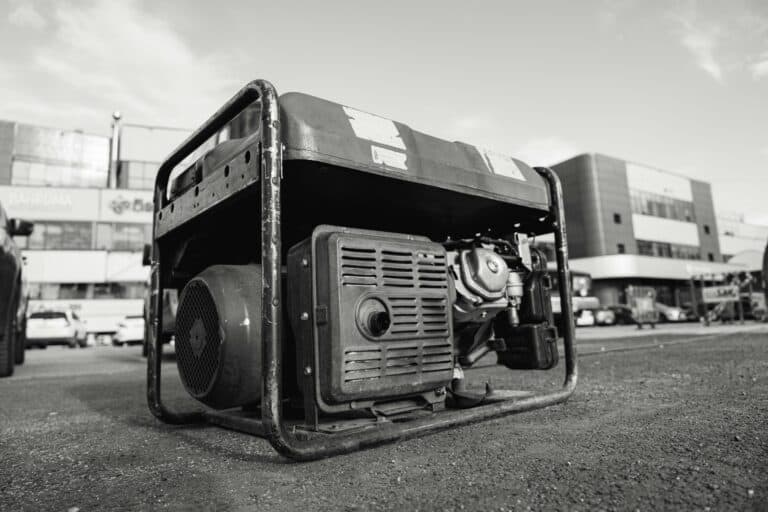
A generator makes power indefinitely with fuel and noise. A power station is silent, indoor-safe, and finite. The choice is usually about duration and where you need it running rather than which is better.
Is a power bank enough?
If the honest answer is phones and laptops, probably. The power station category is oversized for that need, and buying one for it is spending on capability that never gets used.