
Emergency kits usually cover the first 72 hours with batteries and stored fuel. Solar matters for what comes after that, when stored power runs out and there is no way to replace it.
That reframes what to buy. Reliability and simplicity beat capacity, because gear that fails in a bag for two years is worth nothing on the day you open it.
Quick Verdict
Start with a solar-charging radio and lantern, which cover information and light for very little cost. Add a power station with a folding panel if you need to run devices for days. Test everything twice a year, since equipment that sits unused is equipment you cannot rely on.
Key Takeaways
- Solar covers the period after stored power runs out
- Simple gear survives storage better than complex gear
- Lithium batteries degrade in storage even unused
- Hand-crank backup covers days with no sun
- Charging speeds from small panels are slower than listed
- Test the kit on a schedule rather than assuming
How We Picked
Storage reliability came first. Emergency gear spends years unused, and the failure mode is discovering something dead when you need it.
Redundancy ranked next. Items with a second charging method work on the fourth cloudy day, which is exactly when a storm-related outage is still running.
Simplicity mattered because people use this equipment under stress and often in the dark. Anything needing a manual is the wrong choice.
We excluded large fixed installations. Those are worth having and they are a different project from a kit you can carry.
Solar and Crank Emergency Radios
Why It Stands Out
Information matters more than power during a disaster. A radio receiving NOAA weather alerts tells you what is happening when phone networks are down or congested.
Combined solar and hand-crank charging means it works regardless of weather, and a minute of cranking gives several minutes of listening.
Most include a flashlight and a USB output, which covers light and a phone top-up from one device.
Worth Knowing
The internal battery degrades over years of storage. Charging it every six months keeps it usable.
USB output from these is slow. Expect a partial phone charge rather than a full one.
Best as the first purchase in any kit. Skip radios without NOAA weather band, and power options sit in power stations for outages.
Solar Lanterns and Inflatable Lights
Why It Stands Out
Area lighting beats a flashlight for anything you do sitting still, and a lantern that recharges in daylight never needs batteries you forgot to stock.
Inflatable models pack flat and weigh almost nothing, which suits a kit where space matters.
Several will run all night on a full day’s charge, which covers the actual need.
Worth Knowing
Small panels charge slowly. A lantern needs most of a day in direct sun rather than an hour on a windowsill.
Inflatable versions puncture eventually, which is worth accepting given the price.
Best for households rather than individuals, since one lantern lights a room several people share. Skip solar-only models with no USB charging option.
Portable Power Stations
Why It Stands Out
A station in the 500 to 1,000 watt-hour range runs phones, laptops, lights, and a CPAP for days rather than hours.
Solar input lets you replace what you use, which is the difference between a battery and a power supply during a long outage.
Pure sine wave output suits sensitive electronics and medical equipment, which cheaper inverters do not.
Worth Knowing
Lithium batteries lose capacity in storage. Manufacturers generally recommend charging to a partial level and topping up every few months rather than leaving one full or empty.
Anyone depending on medical equipment should discuss backup power requirements with their provider or equipment supplier rather than relying on general guidance.
Best for households needing to run devices rather than just charge them. Skip lead acid units, which are heavier and shorter-lived, and options sit in power stations under 1000.
Folding Solar Panels
Why It Stands Out
A folding panel is what turns a power station from a battery into a renewable supply. Without one you have a fixed amount of stored energy and no way to add to it.
Integrated kickstands let you angle toward the sun, which produces considerably more than a panel lying flat.
They fold to a manageable size and store alongside the station rather than needing a separate space.
Worth Knowing
Real output runs well below the rated figure. A 100 watt panel in typical conditions delivers substantially less, and charging times reflect that.
Connector compatibility with your station matters, and adapters are commonly needed between brands.
Best paired with a power station rather than bought alone. Skip panels without a matching connector for your unit, and options sit in foldable solar panels.
Solar Phone Chargers and Power Banks
Why It Stands Out
A power bank with a small solar panel keeps a phone alive for messages and information without needing a larger system.
Rugged waterproof models survive being carried and dropped, which matters for anything in an evacuation bag.
They cost little enough that having several across different bags is practical.
Worth Knowing
The solar panel on these is small and charges very slowly, often taking days for a full bank. Treat it as a trickle top-up rather than a charging method.
Charge them fully from mains before storage and refresh every few months.
Best in a bag as a backup rather than a primary plan. Skip units advertising fast solar charging from a panel that size.
Solar Water Purification
Why It Stands Out
UV purifiers powered by a small solar cell treat water without fuel, filters, or chemicals. For extended outages where water safety is uncertain, that removes a consumable.
Some models handle a bottle at a time, which suits an individual kit rather than a household supply.
They add no taste, unlike chemical treatment.
Worth Knowing
UV treats biological contamination and does nothing about chemicals, heavy metals, or sediment. Cloudy water needs filtering first.
Follow local guidance during an emergency, since authorities issue specific instructions when water safety is affected.
Best alongside filtration rather than instead of it. Skip as your only water plan.
Emergency Solar Kit at a Glance
| Item | Covers | Priority |
|---|---|---|
| Solar and crank radio | Information, some charging | First |
| Solar lantern | Area lighting | First |
| Power station | Running devices for days | Second |
| Folding panel | Replacing what you use | Second, with a station |
| Solar power bank | Phone top-up in a bag | Third |
| UV purifier | Water, alongside filtration | Situational |
What to Look For
Prioritize information and light
A radio and a lantern cost very little and cover the two things every outage creates. Everything else is capacity you may not need.
Insist on a second charging method
Storms bring cloud, and solar-only gear underperforms exactly when you need it. Crank or USB backup covers that.
Match panel connectors to your station
Cross-brand pairings frequently need adapters. Confirming that before an emergency avoids a useless panel.
Set a maintenance reminder
Lithium cells degrade in storage. A calendar entry twice a year to charge and test everything is what keeps a kit real.
Building the Kit in Stages
Buying everything at once costs more than most people want to spend, and staging it means each purchase does something useful on its own.
Stage one is the radio and the lantern. Together they run under fifty dollars and cover information and light, which are the two things every outage produces immediately.
Stage two adds a power station sized to your actual devices. That is the largest single cost and the one that changes what a multi-day outage feels like.
Stage three is the folding panel that keeps the station supplied. Buying these together makes sense where budget allows, and the station alone is still useful without it.
Stage four is redundancy: a second lantern, power banks distributed across bags, and anything specific to your household such as medical equipment backup.
Each stage stands alone, which means a kit half-built is still a kit rather than a set of parts waiting for the rest.
Solar Against Fuel Generators
Solar
No fuel to store or go stale, silent, and safe to use indoors. Output depends on weather and scales slowly.
Fuel generators
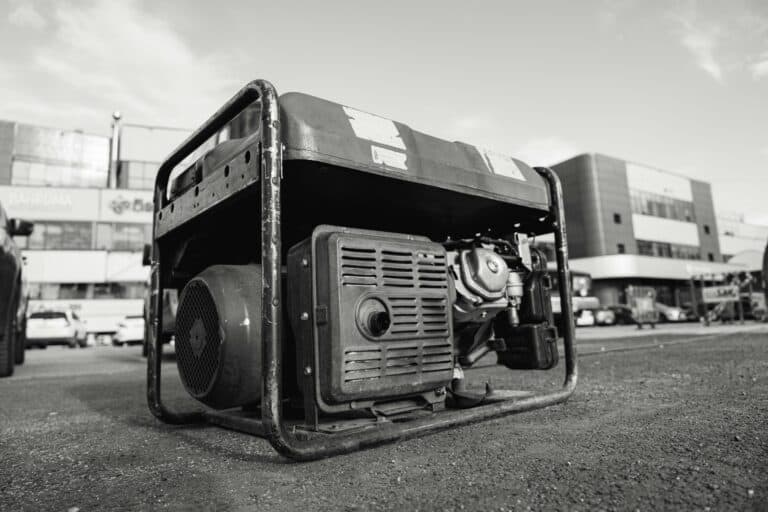
High output on demand regardless of weather. They need stored fuel that degrades, run loudly, and must be operated outdoors well away from the house because of carbon monoxide, covered in generators for home backup.
What Trips People Up
Buying and forgetting
Lithium batteries self-discharge and degrade over years. A kit assembled once and never checked frequently contains dead equipment.
Expecting rated output
Panels deliver well below their rating in real conditions, and small integrated panels on power banks are close to decorative. Plan around realistic figures.
Overbuying capacity
A large station covers more and costs more and weighs more. Working out what you actually need to run comes first, covered in how many watt-hours you need.
Treating solar as the whole plan
Water, food, medication, and a communication plan all matter more than power. Solar handles one part of preparedness rather than the whole of it.
Recommended Reading
- power stations for outages
- home backup options
- sizing what you need
- folding panels
- charging in poor light
- output in poor conditions
Frequently Asked Questions
What solar gear belongs in an emergency kit?
A solar and crank radio and a solar lantern cover information and light cheaply. A power station with a folding panel covers running devices for days rather than hours.
How long do solar power banks take to charge?
Days from their own panel, since the integrated cell is small. Charge them from mains before storage and treat solar as a trickle top-up.
Does solar work during a storm?
Poorly, which is why a second charging method matters. Crank radios and pre-charged stations cover the days when there is no useful sun.
How often should I test the kit?
Twice a year. Lithium batteries degrade in storage, and a kit assembled once and forgotten commonly holds dead equipment when opened.
What size power station do I need?
500 to 1,000 watt-hours suits most households for phones, lights, and a laptop across several days. Working out your actual loads first prevents overbuying.
Can I run medical equipment from one?
Many are used that way, and requirements vary by device. Discuss backup power with your provider or equipment supplier rather than relying on general guidance.
Is solar better than a fuel generator?
For quiet indoor-safe power with no fuel to store, yes. Fuel generators produce far more on demand and must be run outdoors away from the house because of carbon monoxide.
For the wider picture, see our guide to how to choose a solar battery.