
A quality portable power station with a LiFePO4 battery lasts for several thousand charge cycles, usually a decade or more of regular use, before its capacity noticeably fades. Lifespan depends mostly on the battery chemistry, how often you cycle it, and how much heat it endures. The battery is what wears out, and treating it well is what keeps the unit useful for years.
Two different clocks are running on any power station. One is the cycle count, which tracks how many times you charge and discharge the battery; the other is calendar age, since cells slowly fade even when idle. Knowing how both work helps you pick a unit that lasts and store it so it ages slowly. If you are choosing a unit, start with how to size a portable power station.
Quick Verdict
Expect a modern LiFePO4 power station to deliver several thousand charge cycles, often a decade or more of typical use, before the battery drops to about 80% of its original capacity. Older lithium-ion units fade much sooner. Keep the unit cool, avoid constant deep discharges, and store it at a partial charge to stretch its life.
Key Takeaways
- LiFePO4 batteries last several times longer than the older lithium-ion (NMC) cells in cheaper units.
- Lifespan is measured in charge cycles, not years, so heavy daily use reaches the limit sooner.
- Heat is the biggest enemy; hot garages and vehicles age batteries faster.
- Batteries rarely die suddenly; they slowly lose capacity, often defined as reaching about 80% of original.
- Storing at a partial charge in a cool place keeps an idle unit healthy for years.
What Affects How Long a Power Station Lasts?
| Factor | What it does | What to expect |
|---|---|---|
| Battery chemistry | Determines cycle life and heat tolerance | LiFePO4 lasts several thousand cycles; older NMC lithium-ion around 500 |
| Charge cycles | Each full charge and discharge ages the cells | Rated to about 80% of original capacity after thousands of cycles |
| Heat exposure | High temperatures speed chemical aging | Cool storage extends life; hot cars and attics shorten it |
| Depth of discharge | Draining to empty stresses cells more | Partial cycles age the battery more gently |
| Use frequency | Daily cycling reaches the cycle count faster | Occasional backup use lasts more calendar years |
How Many Charge Cycles Do Power Stations Last?
Most quality LiFePO4 power stations are rated for several thousand charge cycles before capacity drops to about 80% of the original. A charge cycle is one full discharge and recharge, so two half-discharges count as a single cycle. At that rating, a unit cycled daily can still serve well past a decade.
The 80% figure marks a soft end of life, not a failure point. A battery at that level still works; it simply holds less than when new. Many people keep using a faded unit for lighter duties long after it dips below the rating.
Why Does Battery Chemistry Matter So Much?
Chemistry is the single biggest factor in how long a power station lasts. Lithium iron phosphate (LiFePO4) cells deliver several times the cycle life of the older NMC lithium-ion cells found in many budget units, which are often rated for around 500 cycles. LiFePO4 also tolerates heat better and resists thermal runaway.
This is why nearly every reputable brand has moved to LiFePO4 for power stations. If a listing does not state its chemistry, that omission is itself a clue. Paying a little more for LiFePO4 usually means years of extra service; our breakdown of LiFePO4 vs lithium-ion batteries explains the trade-offs.
How Does Heat Affect Power Station Lifespan?
Heat is the fastest way to age any lithium battery, including the LiFePO4 cells in a power station. High temperatures accelerate the chemical reactions that degrade cells, so a unit baking in a hot garage or vehicle loses capacity sooner than one kept cool. The same battery can last noticeably longer in a climate-controlled closet.
In a hot climate like Arizona, this matters more than the spec sheet suggests. Storing a power station out of direct sun and away from the worst summer heat protects the battery and the electronics. Cool, dry, and shaded is the goal.
How Should I Store a Power Station to Make It Last?
Store a power station at a partial charge in a cool, dry place, and top it up every few months. Leaving a battery fully empty for long periods can harm it, and constant full charge under heat is not ideal either, so a middle charge level is healthiest for idle storage. A periodic recharge keeps the cells balanced and the unit ready.
For an emergency unit you rarely use, set a calendar reminder to check and refresh the charge. A backup that has self-discharged to empty is no help when the lights go out. Our guide on how to prepare for a power outage covers keeping backups ready.
Does Daily Use Wear It Out Faster?
Yes, because lifespan is counted in cycles, frequent use reaches the limit in fewer years. A power station cycled every day burns through its rated cycles faster than one used only during occasional outages, such as an RV camping unit used on weekends. That is normal and expected, not a defect.
If you plan to cycle a unit daily, such as pairing it with solar, prioritize a high cycle rating and LiFePO4 chemistry. For backup-only duty, even a mid-tier unit lasts many calendar years because it rarely cycles. Match the rating to how hard you will work it.
How Does the Warranty Relate to Lifespan?
A warranty is a floor, not a forecast, of how long a power station lasts. Many quality units carry multi-year warranties, often three to five years, which signals the maker’s confidence but understates the battery’s likely service life. A LiFePO4 unit frequently keeps working well past its warranty period.
Read the warranty for what it covers, since some protect the battery’s capacity to a stated level while others cover defects only. A capacity warranty that guarantees the cells will hold a minimum percentage for a set time tells you more about longevity than a simple defect warranty. Either way, treat the warranty as a minimum expectation.
How Does It Compare to Other Backup Power?
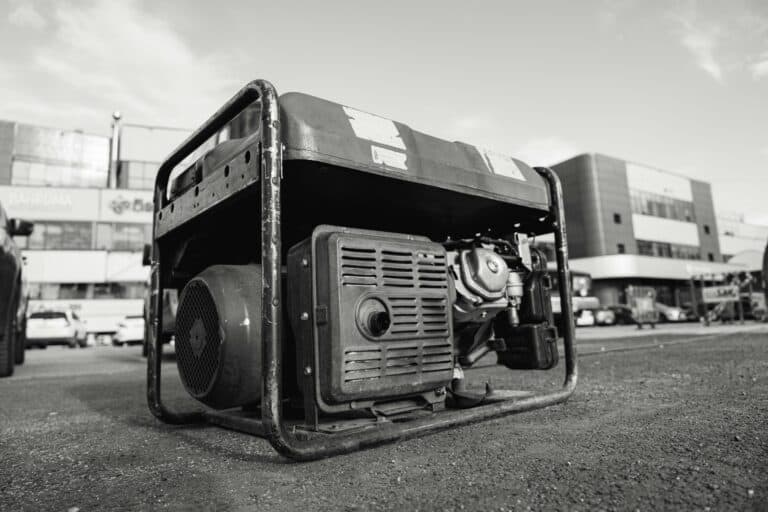
A power station’s lifespan stacks up well against the alternatives it replaces. A gas generator can run for many years, but its engine needs oil changes, fuel stabilizer, and periodic maintenance, and it degrades from sitting unused. A power station has no engine to service and simply ages with cycles and time.
Against older lead-acid battery banks, LiFePO4 power stations last far longer and need no watering or equalizing. Lead-acid cells wear out in a fraction of the cycles and lose capacity faster when partially discharged. For most users, the modern power station is the lower-maintenance, longer-lived choice; our power station vs generator comparison covers the trade-offs.
What Are the Signs a Power Station Is Wearing Out?
A fading power station shows clear symptoms before it quits. The most common is shorter runtime: the same devices drain the battery faster than they used to, because the cells now hold less than their rated capacity. You may also notice it takes longer to charge or that the displayed capacity drops sooner.
Treat any physical warning signs as a safety matter, not just a performance one. A swollen case, excessive heat, or a battery that will not hold a charge at all means you should stop using the unit and follow the maker’s guidance. Normal aging is gradual; sudden changes deserve attention.
Does the BMS Affect How Long It Lasts?
The battery management system, or BMS, quietly protects lifespan every time you use the unit. It guards against overcharging, deep over-discharge, and extreme temperatures, all of which would otherwise shorten cell life. A good BMS is part of why modern LiFePO4 units reach their high cycle ratings.
You cannot see the BMS at work, but you benefit from buying a unit with a quality one. Reputable brands invest in protection circuitry that keeps cells within safe limits. This is another reason to favor established names over the cheapest unbranded options.
Common Lifespan Mistakes to Avoid
Storing It in the Heat
A hot garage or car trunk ages a battery quickly. Keep the unit in a cool, dry, shaded spot. Temperature control is the easiest way to add years.
Letting It Sit Dead
A battery left fully discharged for months can suffer lasting damage. Store it at a partial charge and refresh it periodically. An idle unit still needs occasional attention.
Always Draining to Empty
Running a battery flat every time stresses the cells more than partial cycles. Recharge before it hits zero when you can. Gentler cycles mean a longer life.
Ignoring Chemistry When Buying
Choosing the cheapest unit often means older lithium-ion that fades fast. Confirm LiFePO4 before you buy. The right chemistry pays back in years of service.
Recommended Reading
- Best Portable Power Stations for Power Outages
- Why Solar Batteries Degrade Over Time
- How Many Watt-Hours Do You Need?
- Best Portable Power Stations for CPAP
- Portable Power Station vs Generator
- choosing a portable power station
Related reading: maintaining your power station.
How Long Do Portable Power Stations Last FAQ
How many years does a portable power station last?
A LiFePO4 unit commonly lasts a decade or more of regular use before its capacity fades noticeably. The exact span depends on cycle count, heat, and care. Backup-only units that rarely cycle can last even longer in calendar terms.
What is a charge cycle?
A charge cycle is one full discharge and recharge of the battery. Two half-discharges add up to a single cycle. Manufacturers rate batteries in cycles because that, not calendar years, tracks the real wear.
When is a power station considered worn out?
Most ratings define end of life as the battery holding about 80% of its original capacity. The unit still works at that point; it simply stores less. Many owners keep using a faded unit for lighter tasks.
Does LiFePO4 really last longer?
Yes, by a wide margin. LiFePO4 cells deliver several times the cycles of older lithium-ion and tolerate heat better. That is why reputable brands have shifted to LiFePO4 for power stations.
How do I make my power station last longer?
Keep it cool, avoid draining it fully every time, and store it at a partial charge in a dry place. Refresh an idle unit’s charge every few months. Heat control and gentle cycling do the most good.
Can I replace the battery when it wears out?
Some larger units allow battery service or expansion, but many sealed portable models do not offer easy replacement. Check the maker’s policy before buying if longevity matters. For non-serviceable units, the battery life is effectively the unit’s life.