
Off-grid homes that work well almost always split their loads between two energy sources rather than trying to do everything electrically. Solar handles electronics, lighting, refrigeration, and pumps. Propane handles heat.
The reason is arithmetic. Producing heat electrically requires enormous power, and delivering the same heat through propane costs a fraction of the battery, inverter, and panel capacity. Our note on solar charge controllers covers the split.
What Propane Handles Best
| Appliance | Electric equivalent | Why propane wins |
|---|---|---|
| Cooktop | Induction or electric | Heat load, instant control |
| Water heater | Tank or immersion | Very large continuous heat |
| Space heater | Electric heater | Heaviest load in the house |
| Refrigerator | 12V compressor | Only where power is scarce |
| Clothes dryer | Electric dryer | Drying is a heat process |
| Generator | Petrol generator | Fuel stores far longer |
The short version: anything that makes heat belongs on propane in most off-grid builds.
A Safety Note
Propane appliances produce carbon monoxide and require correct ventilation and installation. Fitting gas appliances and running gas lines is work for a qualified technician, not a project. Every off-grid home using propane needs working carbon monoxide alarms and propane leak detection, and both need testing regularly.
How We Picked
Appliances are grouped by how much electrical load they remove from the system, since that is the argument for using propane at all. Ventilation requirements and installation complexity are weighted alongside, because both determine whether something is practical in a given building.
Selections reflect documented specifications. Descriptions come from product research rather than from installed systems.
1. A Propane Cooktop, Best Overall
Why It Stands Out
Cooking is a daily heat load happening two or three times a day, and moving it to propane removes what would otherwise be one of the single largest demands on the whole system.
Gas also gives instant heat control, works during a power failure, and needs no inverter capacity at all.
Worth Knowing
Ventilation is essential. Cooking with gas indoors produces combustion byproducts and moisture, and an extractor or opening window is not optional.
Some models need electricity for ignition, though most have a manual backup. Our roundup of 12v batteries for solar systems covers the electric side.
This suits nearly every off-grid home. Skip it only if you have substantial capacity and prefer induction.
2. A Tankless Propane Water Heater, Best Big Win
Why It Stands Out
Water heating is among the largest household energy uses anywhere, and tankless models heat only on demand rather than keeping a full tank hot around the clock.
That suits off-grid use particularly well, since there is no standby loss during the hours nobody needs hot water.
Worth Knowing
Many tankless units need a small amount of electricity for controls and ignition, which is minor but not zero.
Flow rate limits how much hot water is available at once, and cold incoming water in winter reduces output. Our roundup of solar water heaters covers the complementary approach. Whether solar thermal can carry part of that load in winter is covered here.
This suits homes with running water. Skip it if your hot water demand is minimal.
3. A Vented Propane Wall Heater, Best for Winter
Why It Stands Out
Space heating is the single heaviest load a home can have, and running it electrically off grid is impractical for anything beyond a small space briefly.
Direct-vent models draw their combustion air from outside and exhaust the products straight back outside, which keeps both the byproducts and the moisture out of the living space entirely.
Worth Knowing
Vent-free heaters exist, cost less to install, and release combustion products and considerable moisture indoors. Several jurisdictions restrict them, and direct-vent is the safer choice.
Installation involves cutting through an exterior wall. Our roundup of battery heaters for cold climates covers protecting the system itself.
This suits cold-climate cabins. Skip vent-free models where a direct-vent installation is possible.
4. An Absorption Refrigerator, Best Where Power Is Scarce
Why It Stands Out
Absorption fridges run on a small propane flame using almost no electricity at all, which removes what is normally the largest continuous electrical load from the system entirely.
For very small systems, or as a backup during extended cloudy periods, that is a meaningful advantage.
Worth Knowing
They are considerably less efficient in energy terms than a modern DC compressor fridge, cool more slowly, and perform poorly in high ambient temperatures.
They must be close to level to work and need proper ventilation. Our roundup of 12V refrigerators covers the electric option most builds now prefer.
This suits very small systems. Skip it if your system comfortably runs a compressor fridge.
5. A Propane Clothes Dryer, Best If You Must Dry Indoors
Why It Stands Out
Drying is fundamentally a heating process, which makes electric dryers among the most demanding household appliances that exist. A propane dryer uses electricity only for the drum motor and the controls, which is a trivial load by comparison.
That turns an impossible load into a modest one for homes where line drying is not practical in winter.
Worth Knowing
Propane dryers require external venting, and the installation is more involved than an electric equivalent.
Line drying remains free, and a high spin speed on the washer reduces drying time considerably. Our note on solar disconnect switches covers the wash side.
This suits wet climates and winter. Skip it if you can line dry year-round.
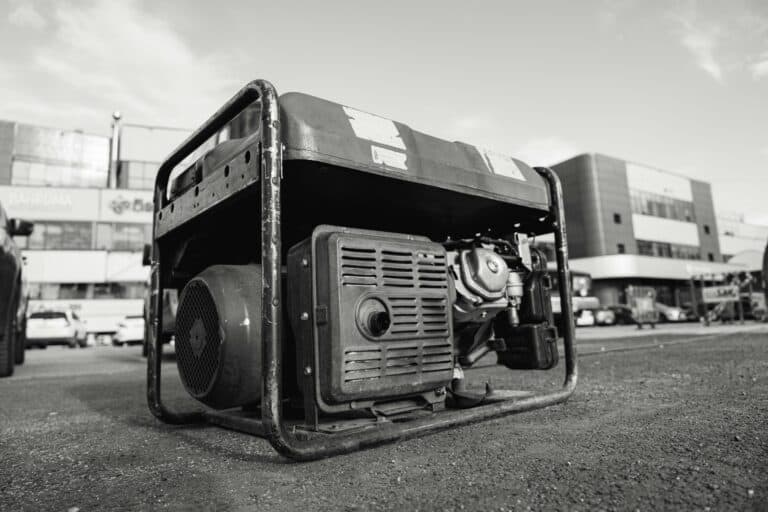
6. A Propane or Dual-Fuel Generator, Best Backup
Why It Stands Out
Propane stores for years without degrading at all, where gasoline goes off within months and gums up a carburetor that then refuses to start on the night you actually need it.
For a backup generator that may sit unused for a year at a time, that storage difference is the whole argument.
Worth Knowing
Propane generators produce somewhat less power than the same engine on gasoline.
They must run outdoors, well away from openings, because of carbon monoxide. Our comparison of solar and gas generators covers the choice.
This suits any off-grid home with propane already. Skip it if you have no propane supply.
Ventilation Is Not Optional
Every propane appliance burning fuel indoors produces carbon monoxide, and incomplete combustion produces considerably more of it. Carbon monoxide is odorless and rapidly dangerous.
Working carbon monoxide alarms are essential rather than advisable, and they need testing regularly and replacing at the interval the manufacturer states. Propane leak detectors are a separate device and worth having as well, since propane is heavier than air and pools low.
Direct-vent appliances draw combustion air from outside and exhaust outside, keeping the living space out of the loop entirely. That is the safer design wherever installation allows it.
Moisture is the secondary issue people consistently underestimate. Burning propane produces water vapor as a byproduct, and vent-free appliances release all of it into the room, which in a well-sealed cabin leads to condensation on windows and eventually mold.
Sizing and Refilling
Propane consumption depends heavily on which appliances you run and how cold your winter gets, so estimates borrowed from someone else’s setup transfer poorly and usually understate what you will actually use.
Larger tanks cost more upfront and reduce refill frequency substantially, which matters considerably at a remote property where refilling means loading cylinders into a vehicle and making a journey.
Cold weather reduces the rate at which propane vaporizes inside a tank, so a tank that was perfectly adequate in summer can struggle to supply a heater in deep cold. Larger tanks handle this considerably better than small portable cylinders do.
Our note on preparing for a power outage covers holding reserves generally.
What to Look For
Venting type
Direct-vent is safer than vent-free and needs an exterior wall penetration. Check local regulations, which restrict vent-free in some places.
Electrical requirement
Many propane appliances need a small amount of electricity for ignition or controls. Small, and not zero.
Installation complexity
Gas lines and venting are qualified work. Factor that cost in rather than only the appliance price.
What it removes from the system
The value is in the electrical load eliminated. An appliance replacing a heavy continuous load is worth more than one replacing an occasional draw.
Common Mistakes to Avoid
Using vent-free appliances as primary heat
They release combustion products and substantial moisture indoors, and several jurisdictions restrict them for that reason.
Skipping carbon monoxide alarms
Not optional in any home burning fuel indoors, and they need testing and replacing on schedule.
Assuming propane appliances need no power
Ignition and controls frequently need a small electrical supply, which matters when the battery is flat.
Undersizing the tank for winter
Cold reduces vaporization rate, so a tank that works in summer can fail to supply a heater in deep cold. Our roundup of solar generators for home backup covers the electrical backup.
Worth reading next: our note on battery cables and lugs for solar, our guide to how many watt-hours you need, our roundup of power inverters, and a guide to solar panel kits, and energy-efficient appliances, and running power tools off grid.
Propane Off-Grid FAQ
Why use propane instead of electricity off grid?
Because heat cannot be produced efficiently from electricity. Cooking, water heating, and space heating through propane cost a fraction of the battery, inverter, and panel capacity the electric equivalents would need.
Is a propane fridge better than a 12V one?
Only where electrical capacity is genuinely scarce. Absorption fridges remove the largest electrical load and are less efficient overall, cool more slowly, and struggle in high ambient temperatures.
Do propane appliances need electricity?
Many need a small amount for ignition or controls, though most cooktops have manual ignition as a backup. It is minor consumption rather than none, which matters when the battery is empty.
Are vent-free heaters safe?
They release combustion byproducts and considerable moisture into the living space, and several jurisdictions restrict them. Direct-vent models, which draw and exhaust outside, are the safer choice wherever installation allows.
How much propane will I use?
It depends entirely on which appliances you run and how cold the winter is, so figures from another household transfer poorly. Tracking your own usage through a first season is the reliable answer.
Why does my heater struggle in cold weather?
Cold reduces the rate propane vaporizes in the tank, so supply can fall short even with fuel remaining. Larger tanks handle this considerably better than small cylinders.
Do I need carbon monoxide alarms?
Yes, without exception, in any home burning fuel indoors. Carbon monoxide is odorless and rapidly dangerous, and alarms need regular testing and replacement at the manufacturer’s stated interval.
Can I install propane appliances myself?
Gas lines and venting are work for a qualified technician. Incorrect installation risks leaks, carbon monoxide exposure, and fire, and it may void insurance as well as breaching regulations.
Recommended Reading
See our note on what appliances you can run off grid.